 0
0


 Facebook
 X
X
 WhatsApp
 Email
Email

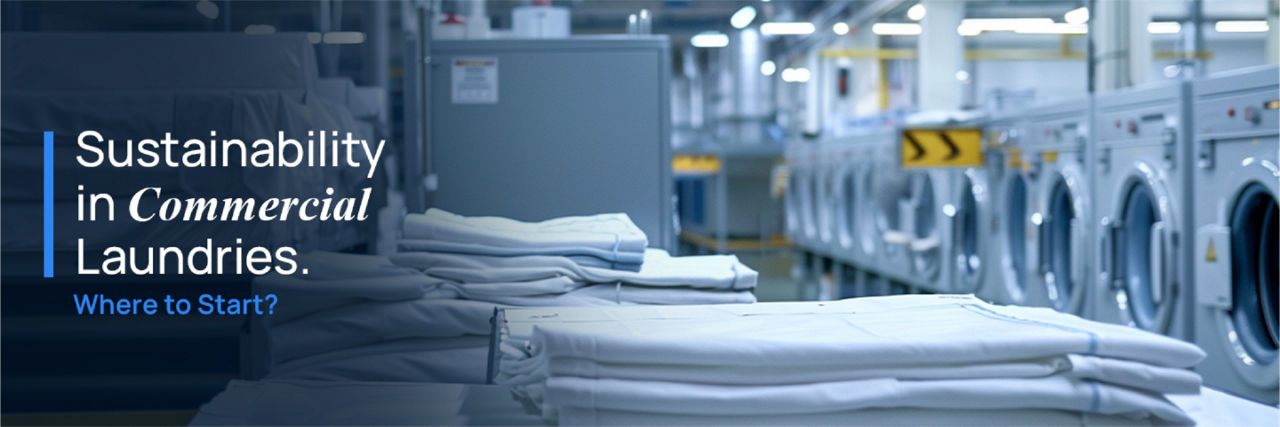
Sustainability is a business necessity. Rising energy costs, increasing water scarcity, and stringent environmental regulations are forcing businesses to rethink how they operate.
Why Sustainability in Commercial Laundries Matters
Commercial laundries in hotels, hospitals, and industrial facilities consume massive amounts of water, energy, and chemicals, driving up operational costs and their carbon footprint. While many businesses want to implement sustainable solutions, the challenge lies in knowing where to start.
That’s where consultants and procurement heads play a crucial role. Choosing the right equipment goes beyond cost. it’s about long-term efficiency, sustainability, and compliance. But what does a truly sustainable laundry setup look like?
The 7 R’s of Sustainability in Commercial Laundries
Modern laundries must go beyond just reducing water and power consumption. A truly sustainable system integrates the 7 R’s of sustainability:
- Reduce – Cutting unnecessary consumption of resources.
- Reuse – Designing systems that allow for the reuse of water and energy.
- Recycle – Ensuring materials and water are repurposed wherever possible.
- Recover – Capturing heat and water for future use.
- Rethink – Innovating processes to reduce waste at every stage.
- Refuse – Eliminating unnecessary chemicals and pollutants.
- Repair – Maintaining equipment for longevity instead of frequent replacements.
So how can a modern commercial laundry implement these principles?
Reducing Consumption Without Compromising Performance
Water efficiency is a requirement. Many regions are facing severe water shortages, and commercial laundries are under scrutiny for excessive consumption. However, there is good news.
Sustainable solutions don’t mean sacrificing performance.
Consider these key innovations that cut water usage.
- Xeros-enabled technology reduces water consumption by up to 40%, making every wash cycle more efficient.
- High-efficiency rinse cycles optimise water usage, ensuring no excess water is wasted.
- Smart automation adjusts water levels based on load size, preventing unnecessary consumption.
- Recycle and reuse – New-age washer extractors are designed to reuse rinse water for the next cycle, drastically cutting down on total water consumption.

Cutting Costs While Reducing Carbon Footprint
- Energy bills can quietly drain profits, making efficiency the key to sustainability. High-power consumption is costly and therefore avoidable.
- Here’s how energy-efficient designs are reshaping commercial laundries.
- High-efficiency washers and dryers use advanced engineering to reduce power consumption without sacrificing performance.
- Heat recovery systems capture and reuse heat energy, lowering overall energy demands.
- Eco-friendly detergents optimise wash quality while minimising chemical waste.
- Smart sensors detect real-time energy usage and adjust operations for maximum efficiency.
Sustainability Through Reliability
A broken-down chine wastes resources and money. Poorly maintained equipment runs less efficiently, consuming more energy and water than necessary.
How smarter maintenance improves sustainability.
- AI-powered diagnostics detect inefficiencies before they escalate into costly breakdowns.
- Predictive maintenance tools prevent unexpected failures, extending machine lifespan.
- Optimised wash cycles reduce energy and water use while maintaining hygiene standards.
Repair, don’t replace – IFB’s machines are designed with 10-year spare part availability, reducing landfill waste and unnecessary equipment disposal.

The Role of Consultants and Procurement Heads in Driving Sustainability
Sustainability is about saving money while improving operational efficiency. But for real impact, businesses need guidance from experts who can help them balance cost savings, compliance, and efficiency.
Key factors consultants should evaluate.
- Water and energy efficiency ratings – The true cost of operation is in long-term savings.
- Lifecycle costs – Maintenance and repair expenses over time matter more than upfront pricing.
- Sustainability certifications – Compliance with CE, ESG, and LEED ensures regulatory alignment.
- End-to-end solutions – Machines that integrate with eco-friendly detergents and efficient drying systems add long-term value.
Where IFB Fits In
Sustainability in commercial laundries is the future. IFB Commercial is leading the shift with next-generation solutions designed for maximum efficiency and minimal environmental impact.
How IFB helps businesses implement sustainability measures.
- 40% water savings with advanced washing technology that recycles rinse water.
- Smart automation and predictive maintenance reduce downtime and operating costs.
- Energy-efficient equipment, backed by a 24/7 nationwide service network for reliability.
- End-to-end solutions – From state-of-the-art machines to IFB’s eco-friendly detergents, ensuring seamless integration and sustainability.
- Direct service network – With 125+ service engineers PAN India, ensuring no delays in maintenance.
- Annual Maintenance Contracts (AMC) – Both labour-only and comprehensive options for consistent performance.
Time to Rethink Laundry Operations
Sustainability is a business imperative. The future belongs to those who invest in intelligent, efficient, and eco-friendly operations.
Are your laundry operations built for the future? Or are you stuck with outdated systems draining profits and resources?
Click here to talk to IFB today and start your journey toward a truly sustainable commercial laundry.