What should I consider before buying an air conditioner for my home?
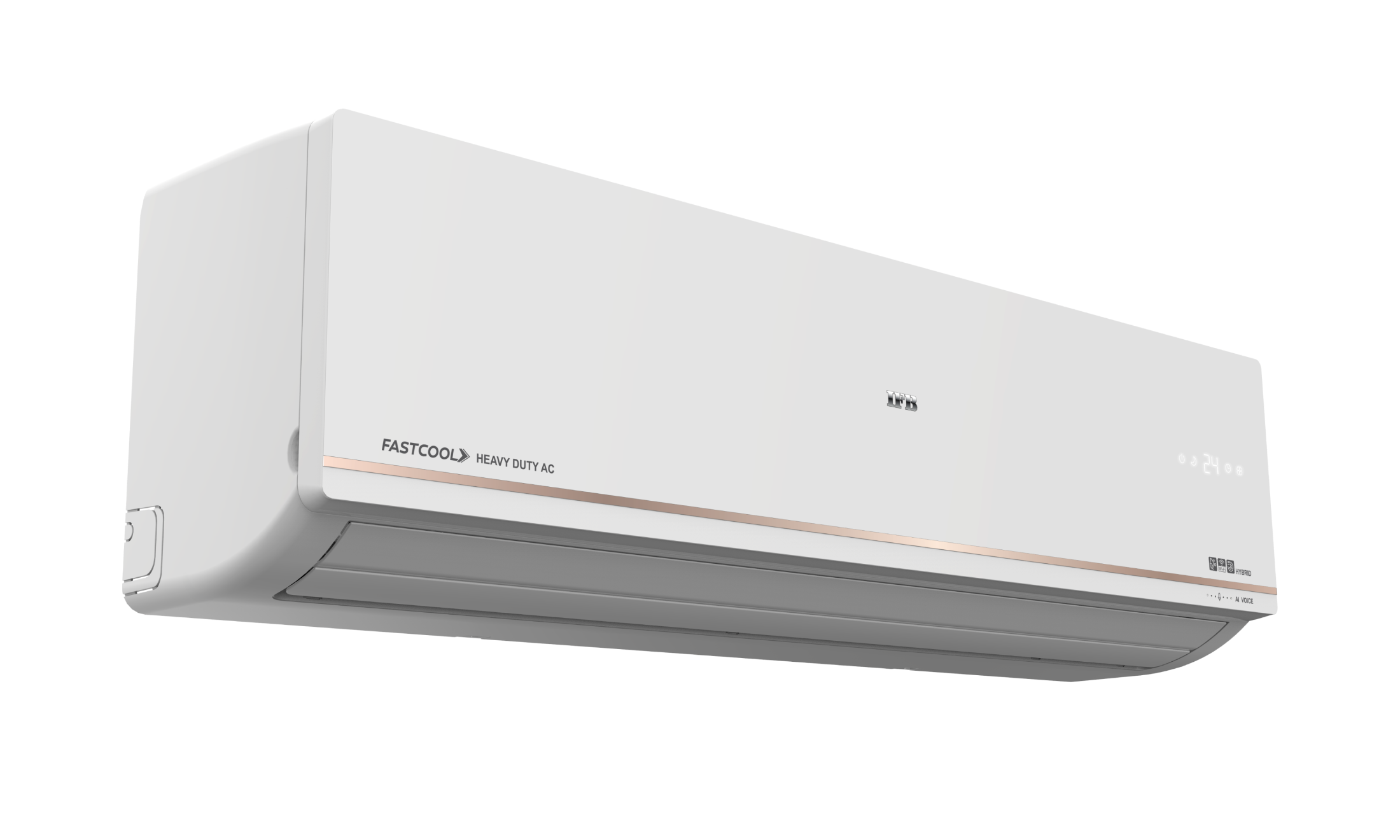
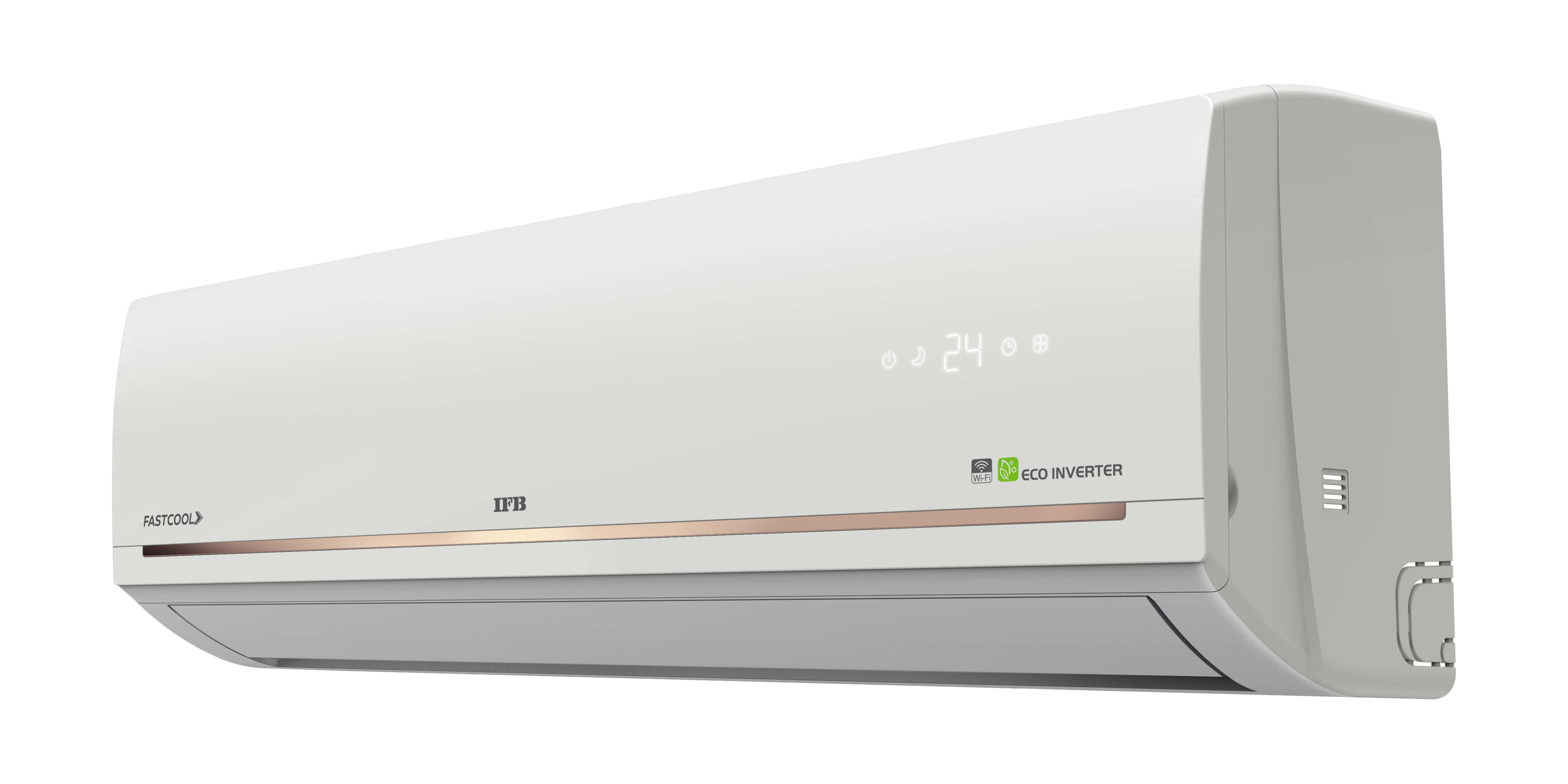
Five things decide whether an air conditioner will keep you happy. First, capacity: the tonnage must match your room size, or the AC will either struggle or waste power. Second, the star rating, because air conditioning is usually the biggest line on a summer electricity bill, and a higher ISEER rating shrinks it. Third, compressor type: inverter ACs cool steadily and economically for daily use. Fourth, air quality and convenience features, like air filtration, self-clean technology and smart controls. Fifth, build and after-sales: copper piping, weatherproof coating and a strong warranty matter in Indian conditions. IFB air conditioners are designed around all five, with 5 years on the machine and 10 on the compressor.
How do I choose the right air conditioner capacity for my room size?
Room size is the starting point. For compact bedrooms and study rooms up to about 120 square feet, a 1 ton AC is usually sufficient. For rooms between 120 and 160 square feet, which covers most master bedrooms and living rooms, an air conditioner 1.5 ton is the right fit. Larger spaces of up to around 220 square feet call for a 2 ton unit to cool evenly. Then adjust for reality: a top-floor room under direct sun, large windows, or more people in the room regularly all push you toward the higher capacity. An AC sized correctly cools faster, runs quieter and consumes less, so this one decision shapes everything after it.
Which is better for a small room: air conditioner 1 ton or air conditioner 1.5 ton?
For a genuinely small room, up to around 120 square feet, an air conditioner 1 ton is the better choice. It cools the space quickly, consumes less electricity than a larger unit, and costs less to buy. An air conditioner 1.5 ton in a small room would cool faster but cycle on and off more, which wastes energy without making the room more comfortable. The 1.5 ton earns its place when the room crosses 120 square feet, gets harsh afternoon sun, or regularly holds several people. Measure the room before you decide; the right size, not the bigger size, is what delivers comfort at the lowest running cost.
Is a 1 ton AC enough for a bedroom or study room?
For most bedrooms and study rooms, yes. A 1 ton AC comfortably cools spaces up to about 120 square feet, which covers the typical Indian bedroom and nearly every study room. It reaches the set temperature quickly in a room that size and holds it efficiently, especially with an inverter compressor doing the steady work. The exceptions are worth checking: a bedroom on the top floor that bakes under the roof, west-facing rooms with strong evening sun, or rooms where three or more people sleep regularly may be happier with a 1.5 ton. For the standard bedroom with a door that closes and a window with curtains, 1 ton serves beautifully.
When should I choose a 1.5 ton AC for my home?
Choose a 1.5 ton ac when the room is between roughly 120 and 160 square feet, which describes most living rooms, master bedrooms and combined sleeping spaces in Indian homes. It is also the wiser pick for rooms that work harder than their size suggests: top-floor rooms that absorb heat through the roof, rooms with large sun-facing windows, kitchens adjoining the cooled space, or rooms where the family gathers in numbers every evening. In very hot regions where summer temperatures stay extreme for months, the extra capacity keeps cooling comfortable without strain. If your room sits at the border of two sizes, the 1.5 ton gives you headroom you will use.
What is the difference between a 1 ton AC and a 1.5 ton AC?
Tonnage measures cooling capacity, not weight. A 1.5 ton ac removes heat from a room roughly half as fast again as a 1 ton ac, which is why each suits a different room size: 1 ton for spaces up to about 120 square feet, 1.5 ton for 120 to 160. The larger unit draws more power when running, costs more to buy, and needs a slightly higher-rated stabiliser and electrical fitting. But sized to the right room, each is the more economical choice for its space. An undersized AC runs endlessly without satisfying; an oversized one short-cycles and wastes power. Match the ton to the room, and both deliver their best.
What is a split air conditioner and is it right for my home?
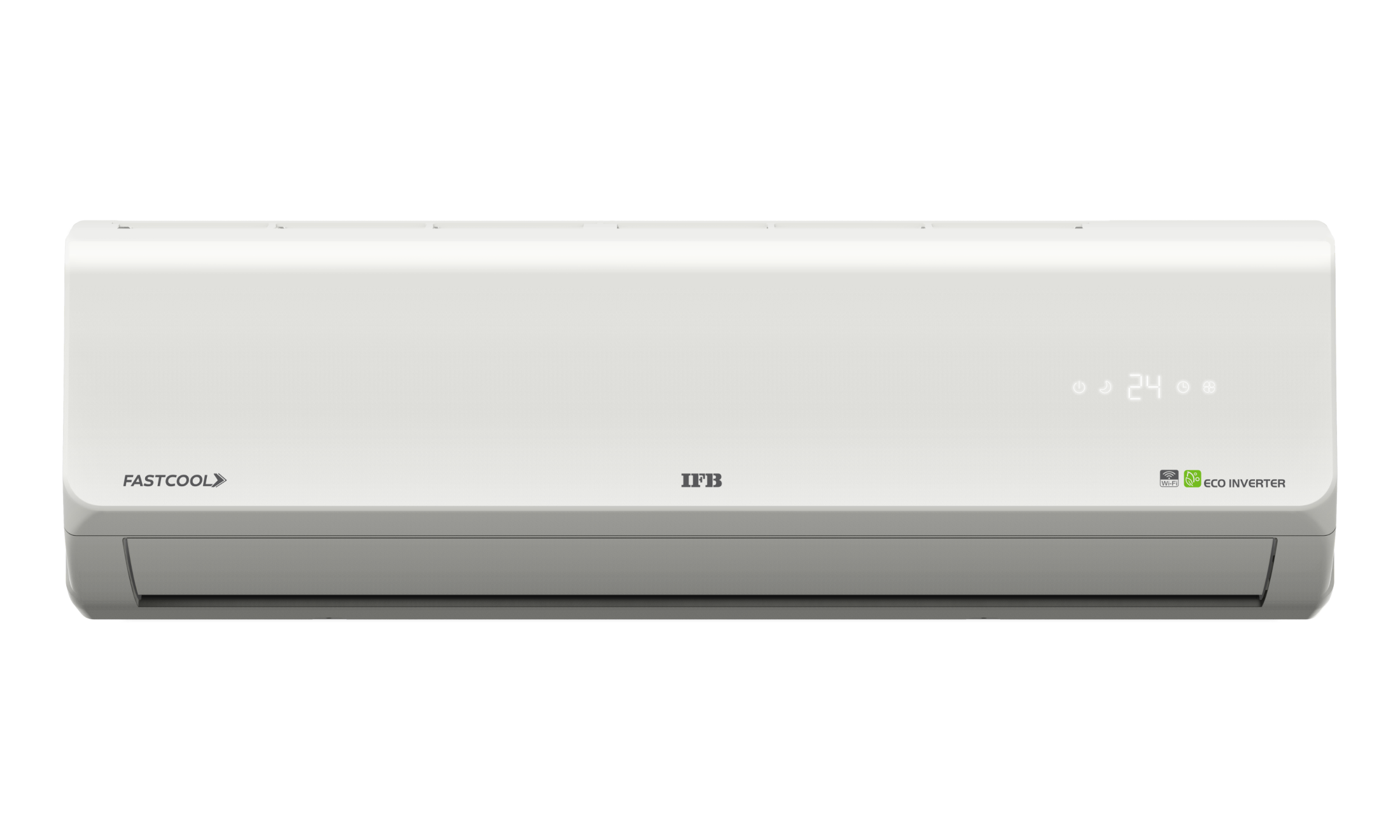
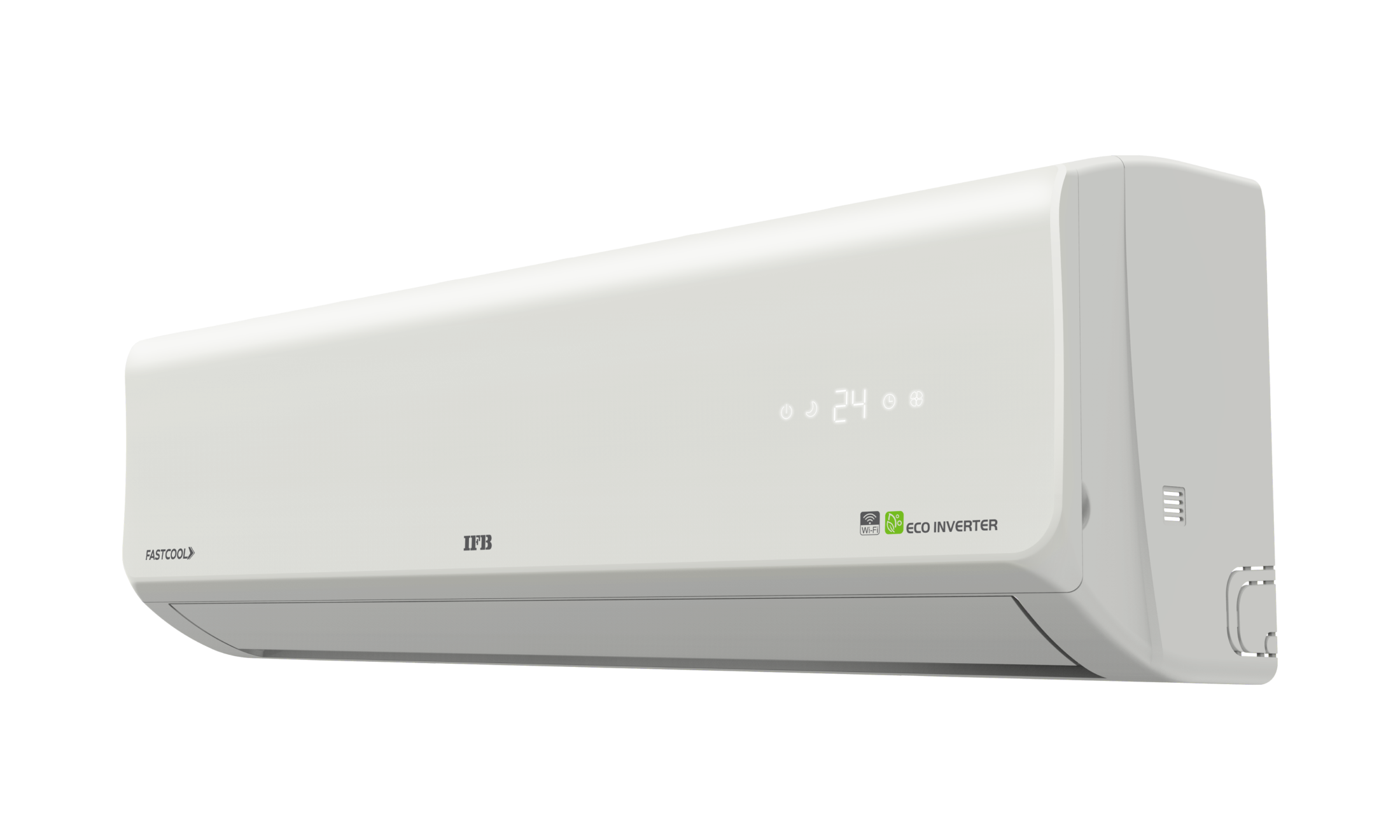
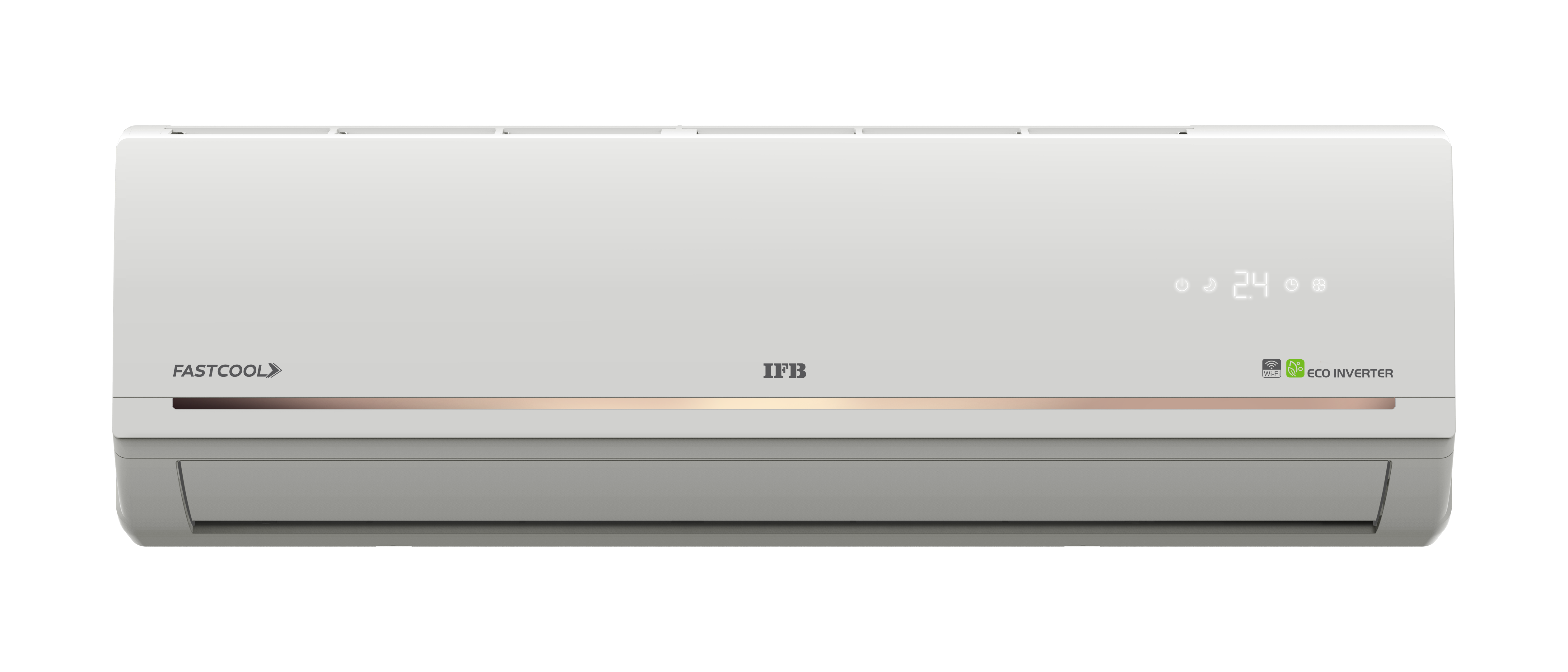
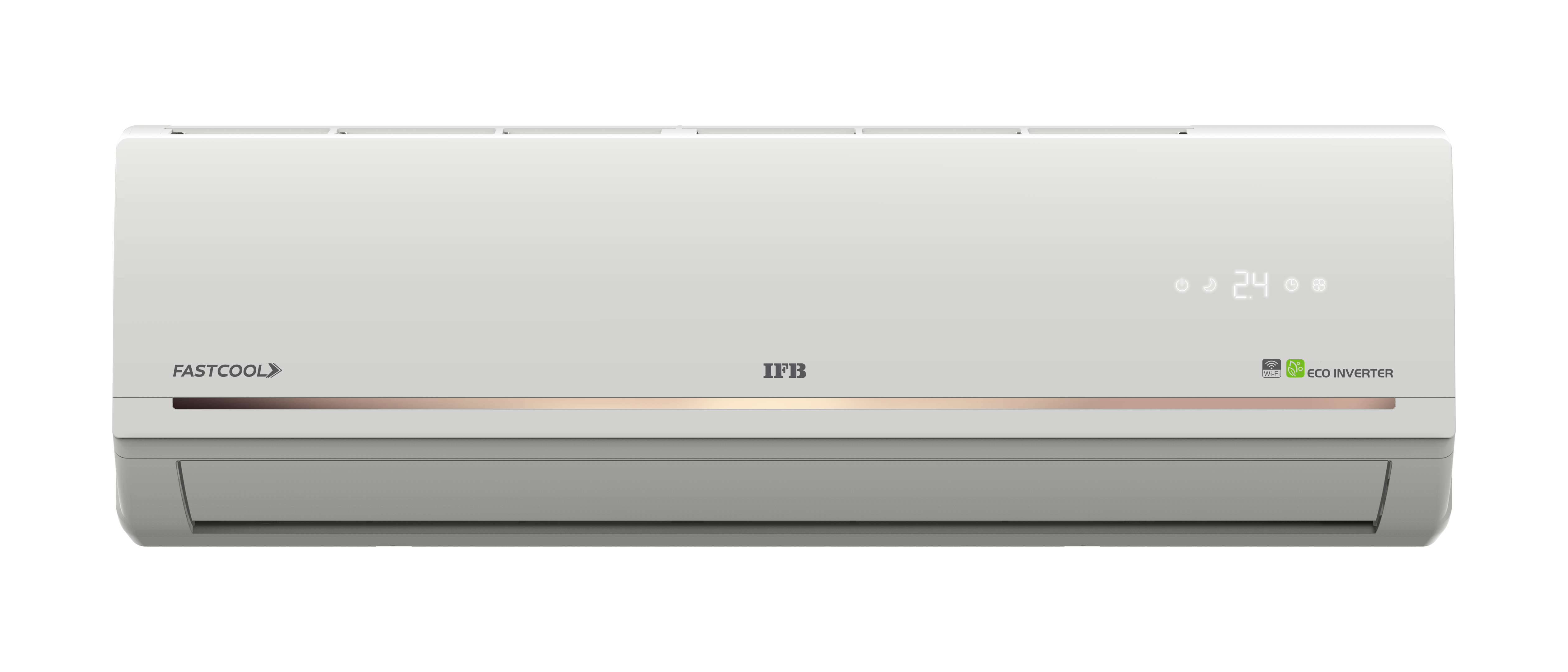
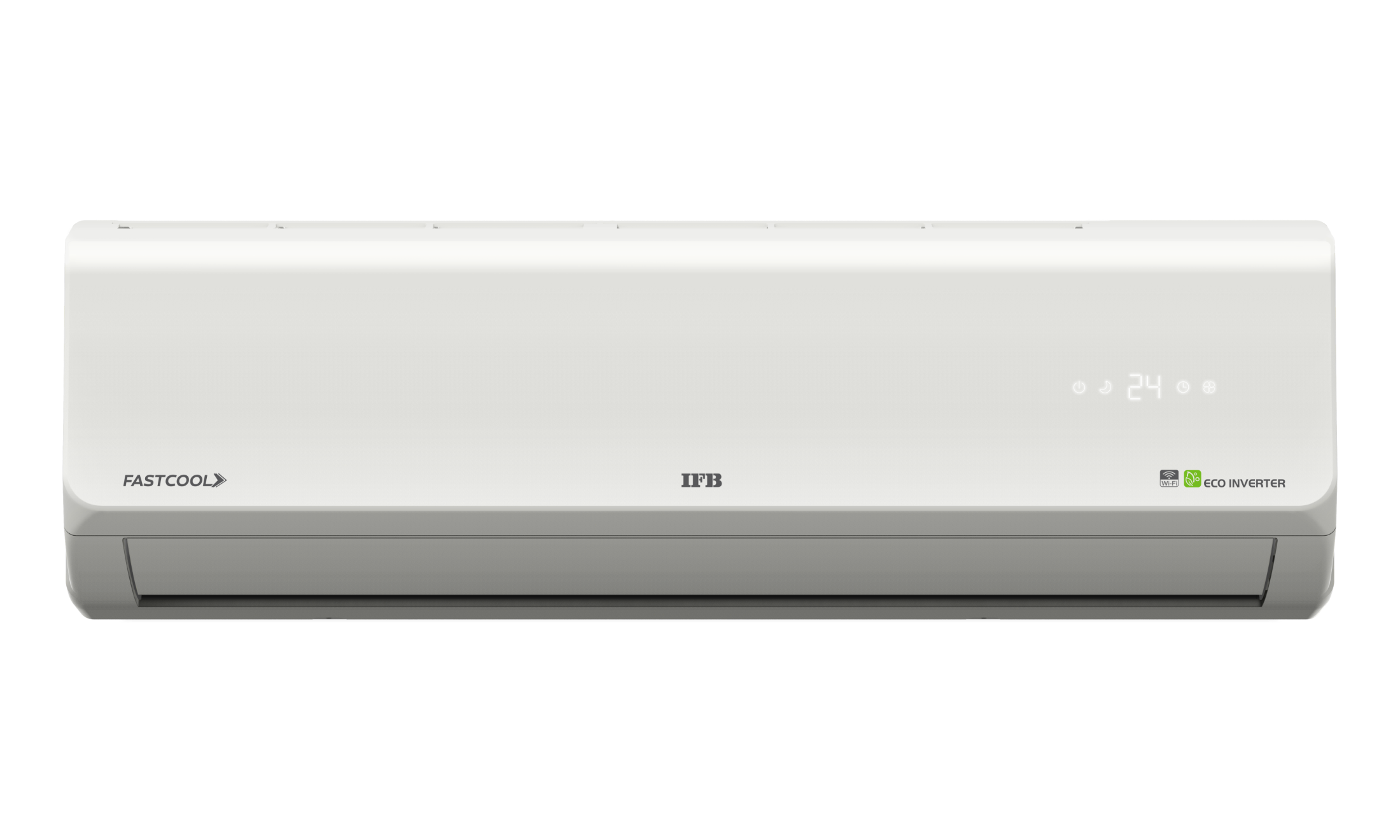
A split air conditioner comes in two parts: a sleek indoor unit on your wall that delivers the cool air, and an outdoor unit that houses the compressor and releases the heat outside. Because the noisy machinery lives outdoors, a split AC runs remarkably quietly inside, which makes a real difference in bedrooms. The indoor unit needs no window, mounts high on any suitable wall, and spreads air more evenly across the room. For most homes today, a split air conditioner is the natural choice: quieter, more efficient and better looking. IFB's range is all split, with inverter technology and capacities from 1 ton upwards to suit every room.
Which AC should I buy: window AC or split air conditioner?
For most homes, the split air conditioner is the better buy, and it is what most buyers choose today. A split AC runs far quieter indoors because the compressor sits outside, cools the room more evenly through a high-mounted indoor unit, offers better energy efficiency, and looks modern on the wall. A window AC costs less and installs more simply if you have the right window opening, which keeps it relevant for budget purchases and rented rooms. But if the AC will run daily, in a bedroom, for years, In quiet nights and lower power consumption. Comfort you hear, or rather, comfort you do not.
What is a dual inverter AC and how does it work?
A dual inverter AC uses a twin rotary compressor that adjusts its speed continuously instead of switching on and off. The two rotors work in tandem, balancing each other for smoother, faster and quieter compression. In practice, the AC sprints when the room is hot, reaching your set temperature quickly, then glides at low speed to hold it exactly there, sipping power instead of gulping it. IFB's dual inverter compressor is engineered for Indian summers, cooling effectively even when the outdoor temperature touches 58 degrees Celsius. The result is the opposite of the old stop-start AC experience: steady temperature, low hum and an electricity meter that turns slower.
What are the benefits of a dual inverter AC for everyday use?
Daily life with a dual inverter ac feels different in three ways. The temperature stays constant: no waves of cold followed by creeping warmth, because the compressor adjusts continuously instead of cycling on and off. The room stays quiet, since the compressor mostly cruises at low speed, with none of the periodic thud of a fixed-speed unit restarting at 2 a.m. And the bills stay reasonable, because power is drawn in proportion to need; once the room is cool, the AC barely works. Add faster initial cooling on hot evenings and reliable performance through extreme summer days, and the dual inverter earns its place as the everyday workhorse.
Which AC should I buy: fixed-speed AC or dual inverter AC?
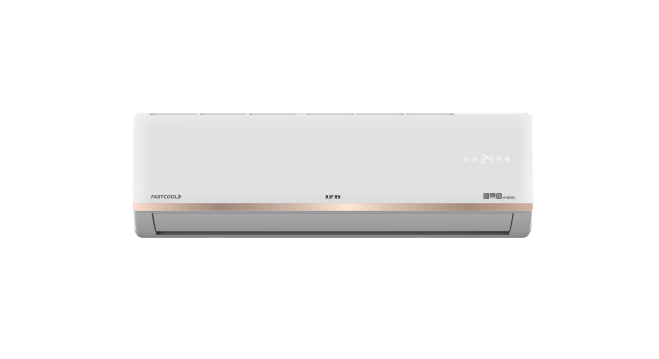
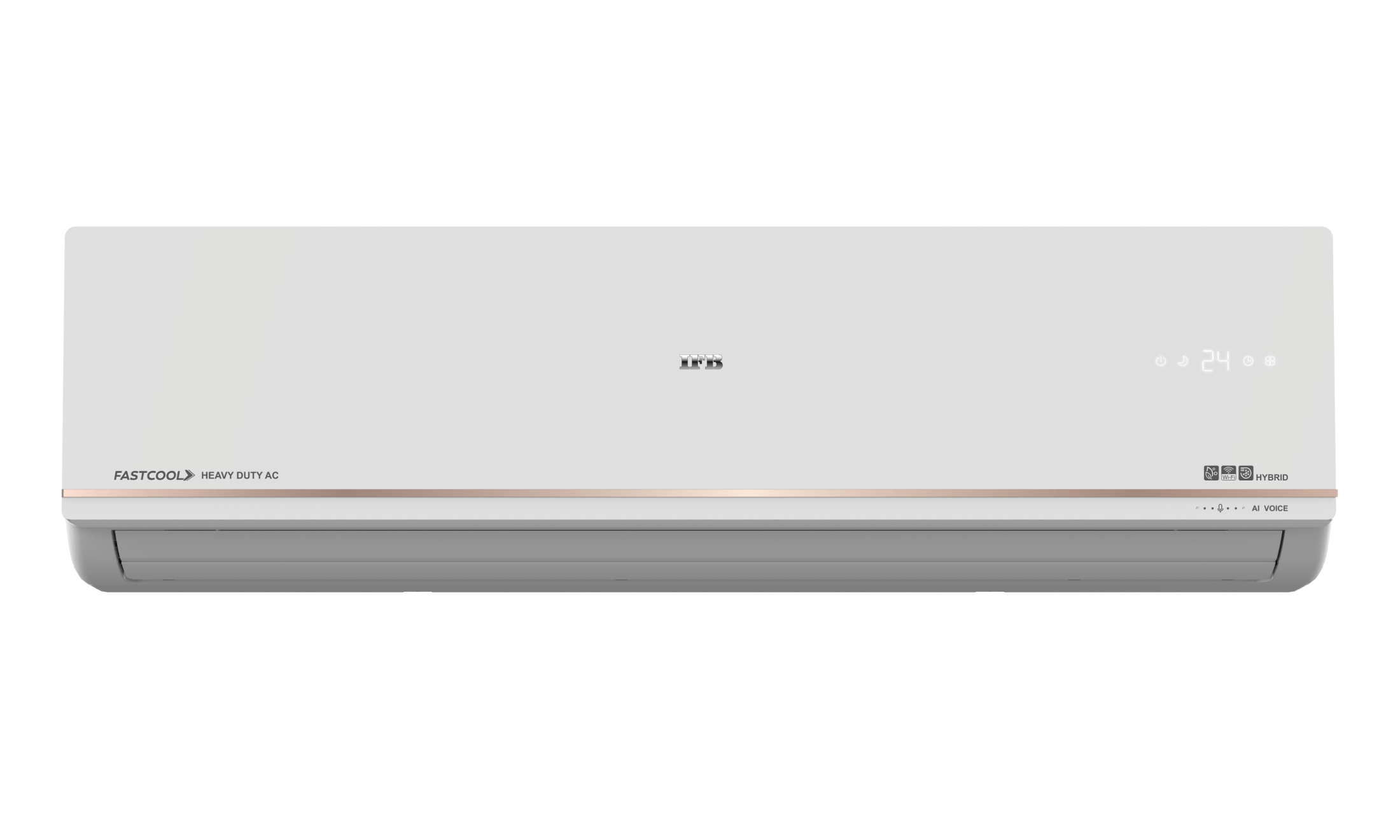
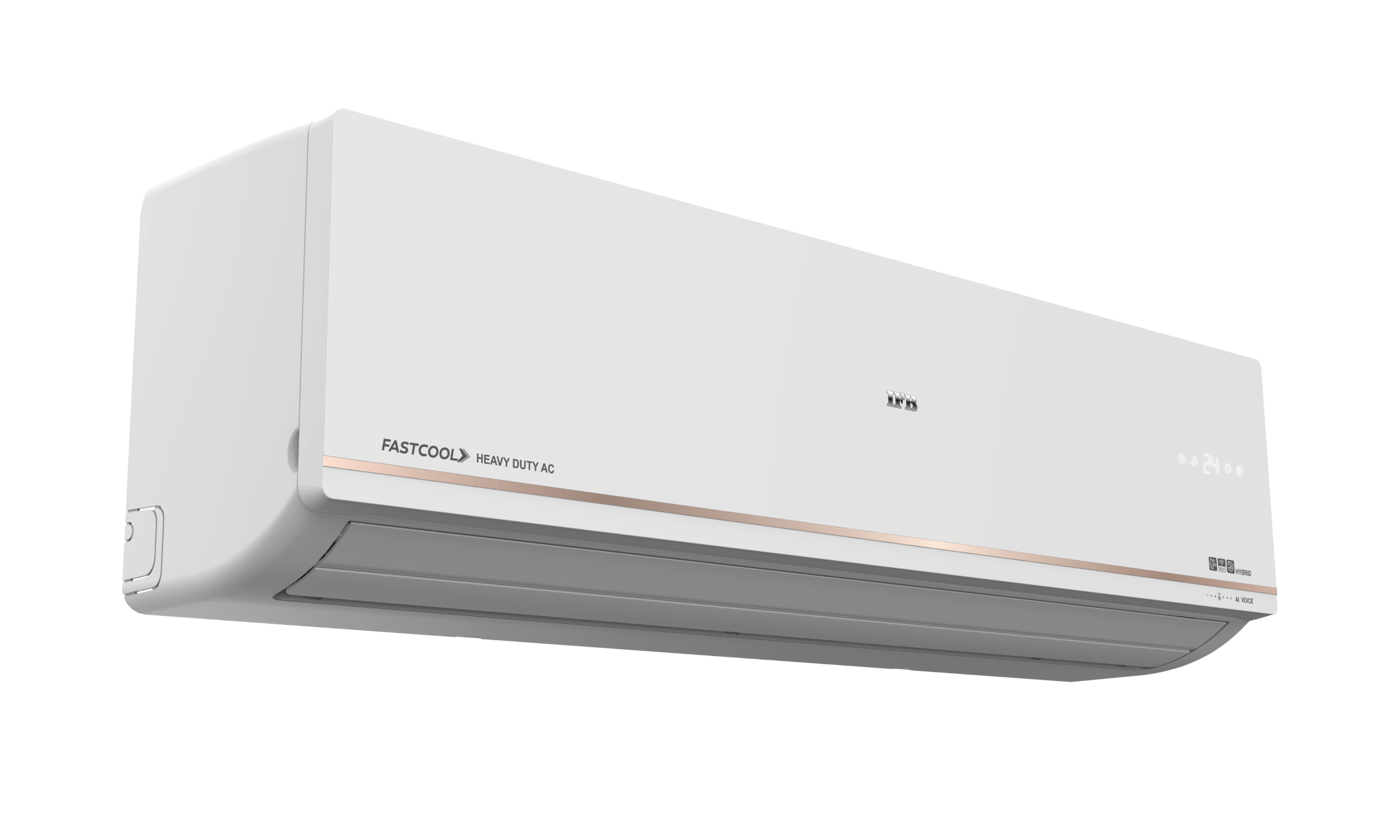
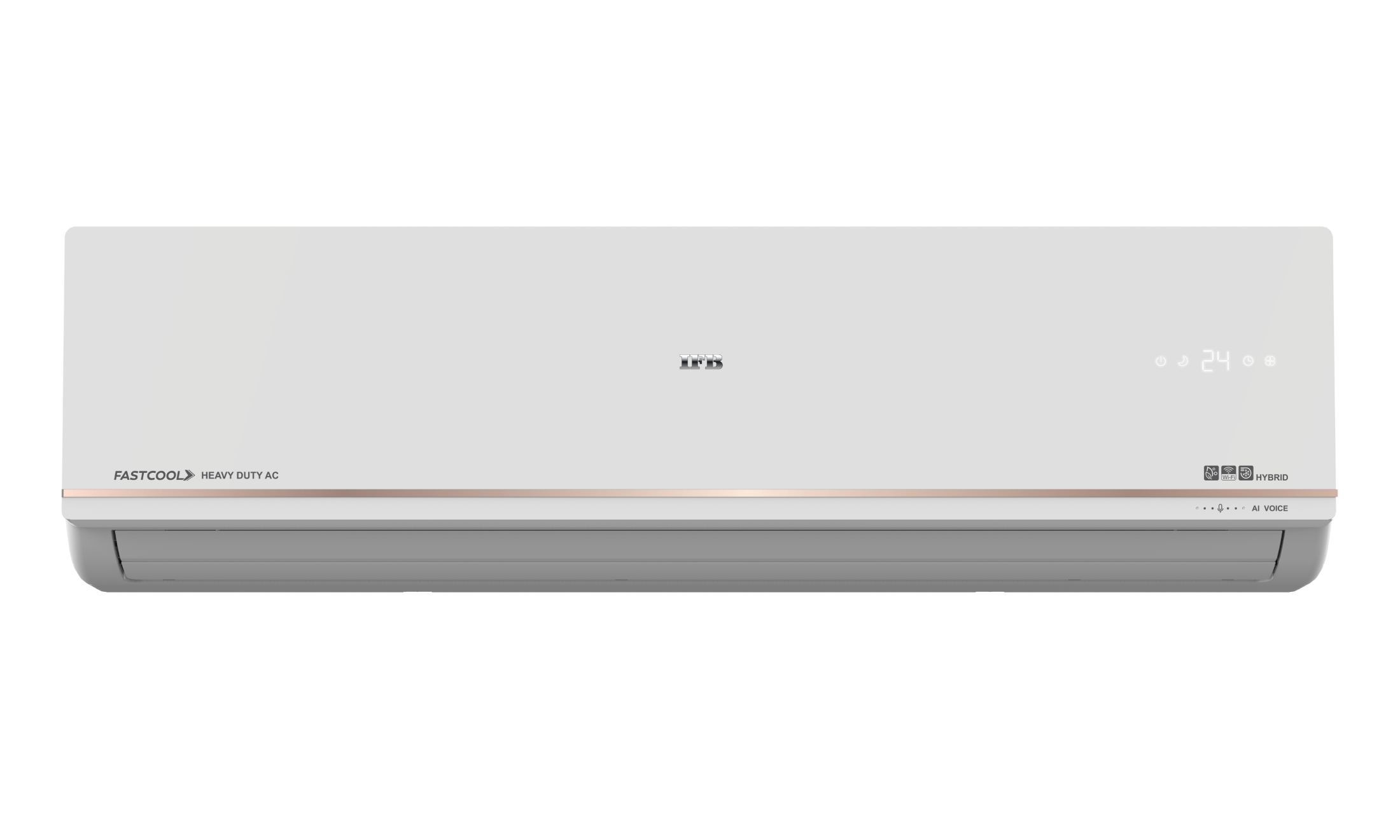
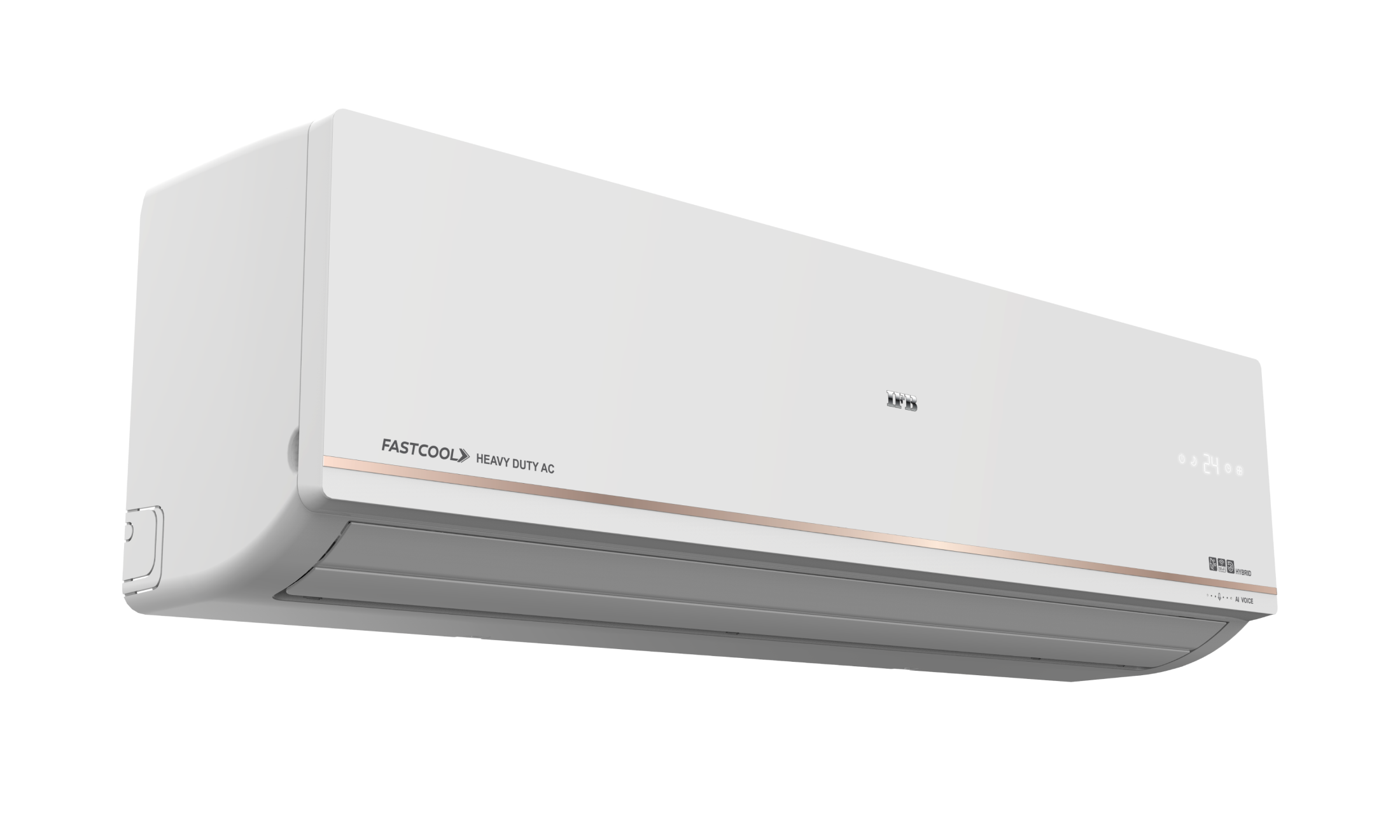
If the AC will run for hours every day, the dual inverter AC is the clear choice. Its compressor adjusts to the room's needs, so long evenings of air conditioning cost noticeably less, the temperature holds steady, and the unit runs quietly. A fixed-speed AC costs less upfront and suits rooms used briefly or occasionally, but its on-off cycling consumes more power over long hours and the temperature swings are something you feel. IFB offers an interesting middle path too: FastCool models with Hybrid Mode combine both behaviours, using full fixed-speed power to cool the room fast, then switching to efficient inverter operation to hold the comfort. Daily users should go inverter, without hesitation
What is the difference between a 3 star AC and a 5 star AC?
The stars measure energy efficiency under the ISEER rating system, and the gap between them shows up on your electricity bill. A 5 star ac converts electricity into cooling more efficiently than a 3 star ac, so it consumes meaningfully fewer units to keep the same room at the same temperature. The 5 star unit costs more to buy; the 3 star costs more to run. Beyond the bill, higher-efficiency models often run quieter and stress their components less during long summers. Both ratings are listed on the BEE energy label along with the exact ISEER figure and annual consumption estimate, which makes comparing two specific models refreshingly simple.
Is a 5 star AC better than a 3 star AC for long-term savings?
Usually, yes, and the deciding factor is how many hours the AC runs. A 5 star ac costs more upfront but consumes fewer units every hour of operation. If your AC runs six to eight hours daily through a long Indian summer, those saved units typically recover the price difference within a few seasons, after which the savings are simply yours, year after year, for the decade the AC serves. If the AC cools a guest room used a few weekends a year, a 3 star model may be the more sensible buy. Estimate your daily usage honestly, and the choice makes itself. Heavy users should always lean 5 star.
What is a hybrid AC and how is it different from a regular inverter AC?
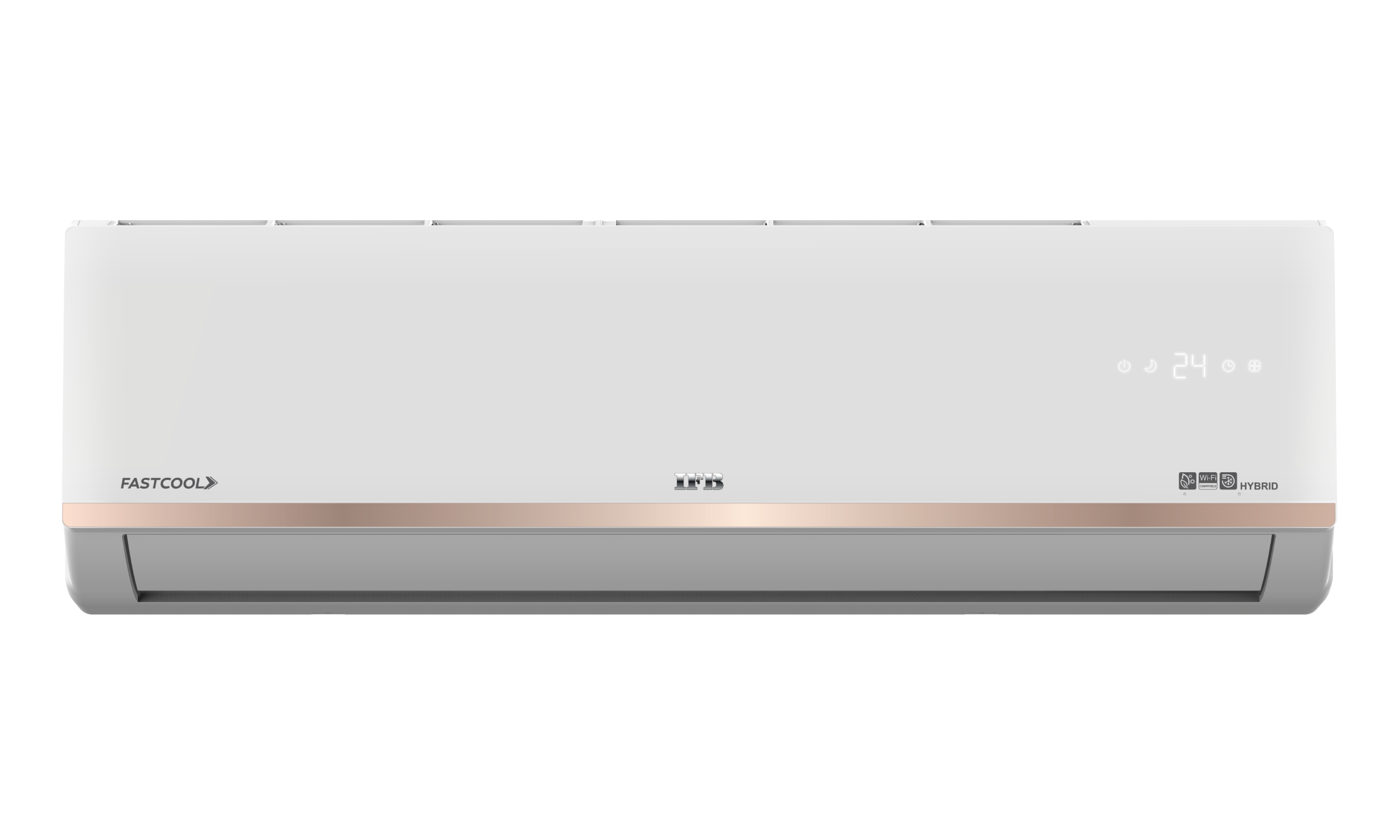
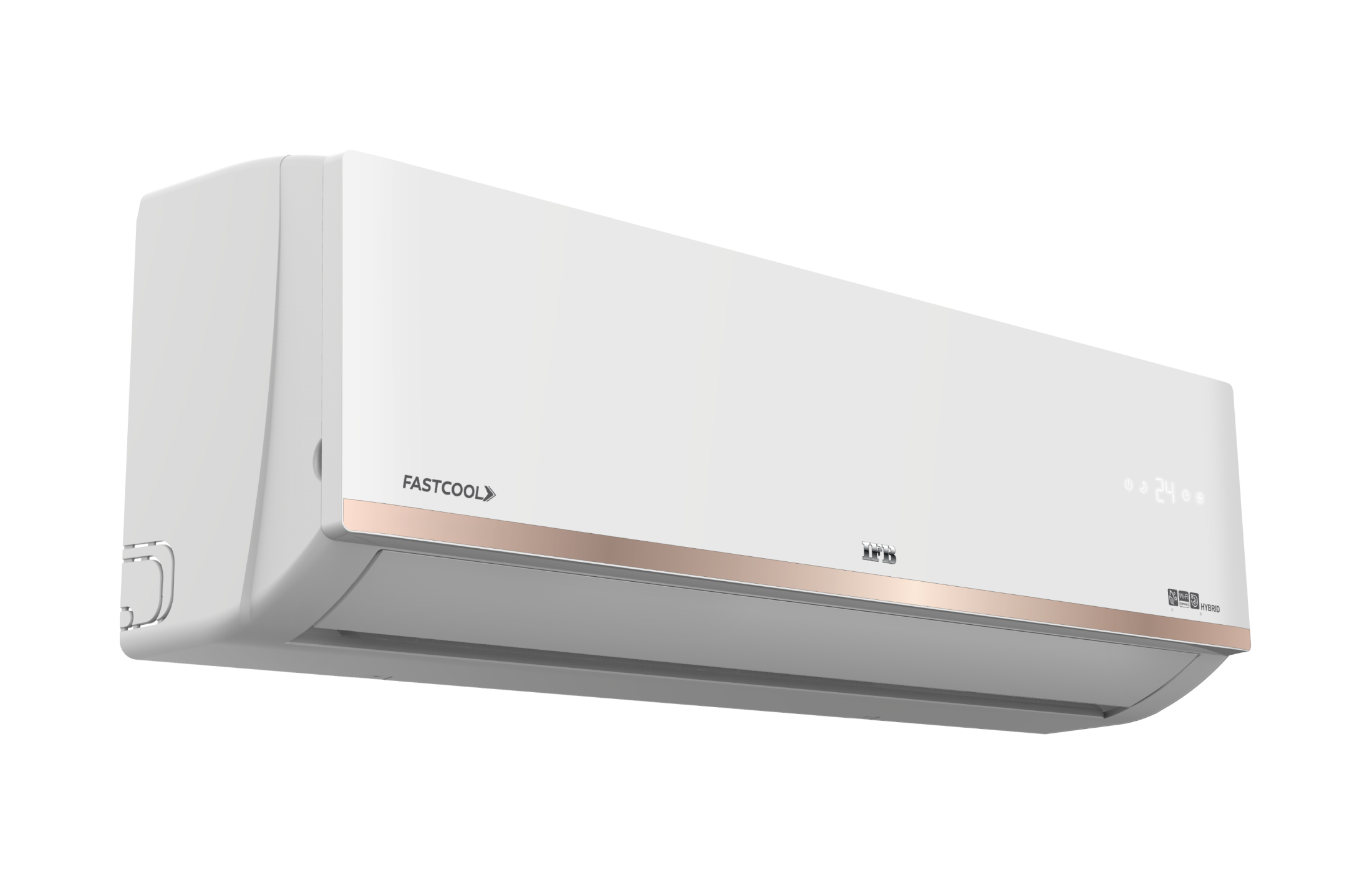
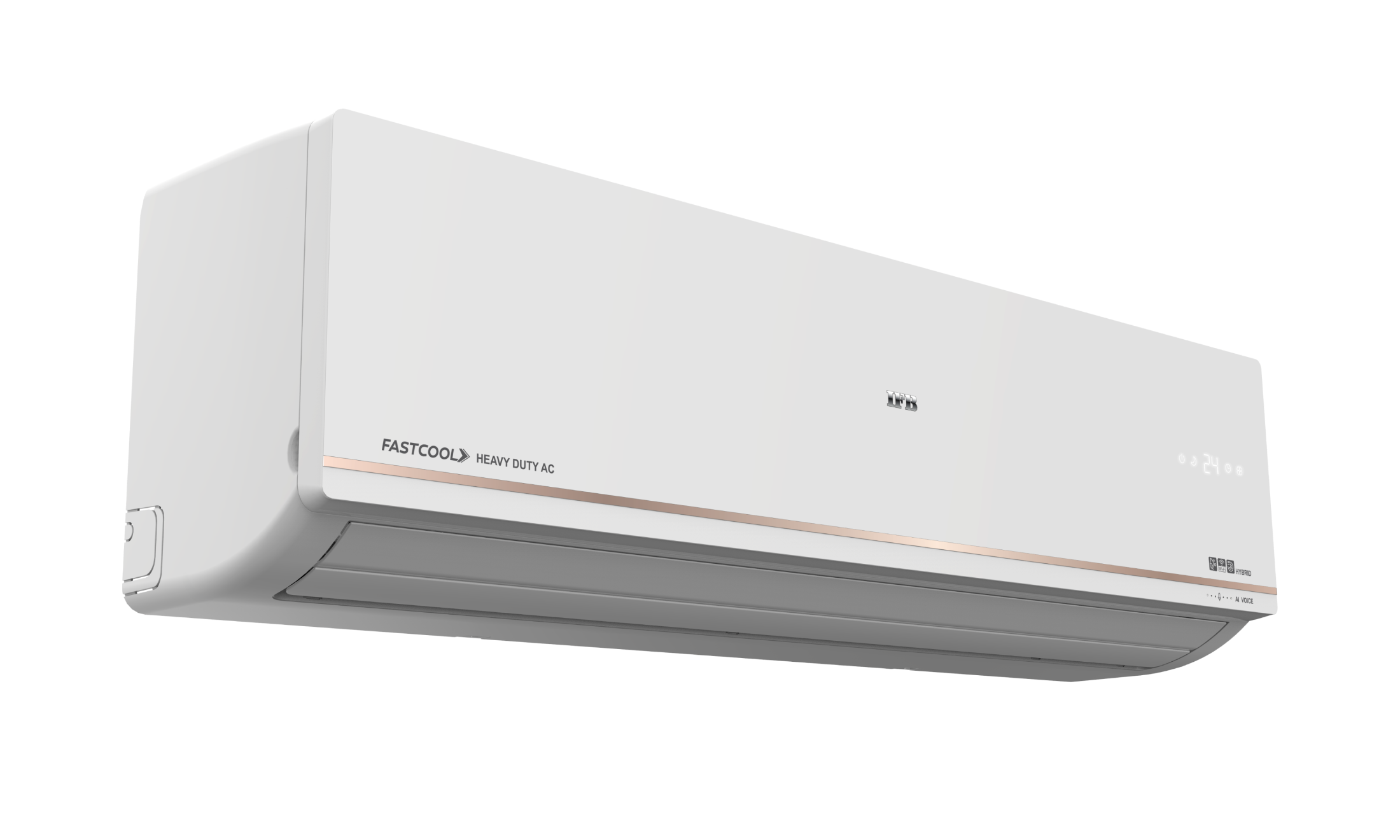
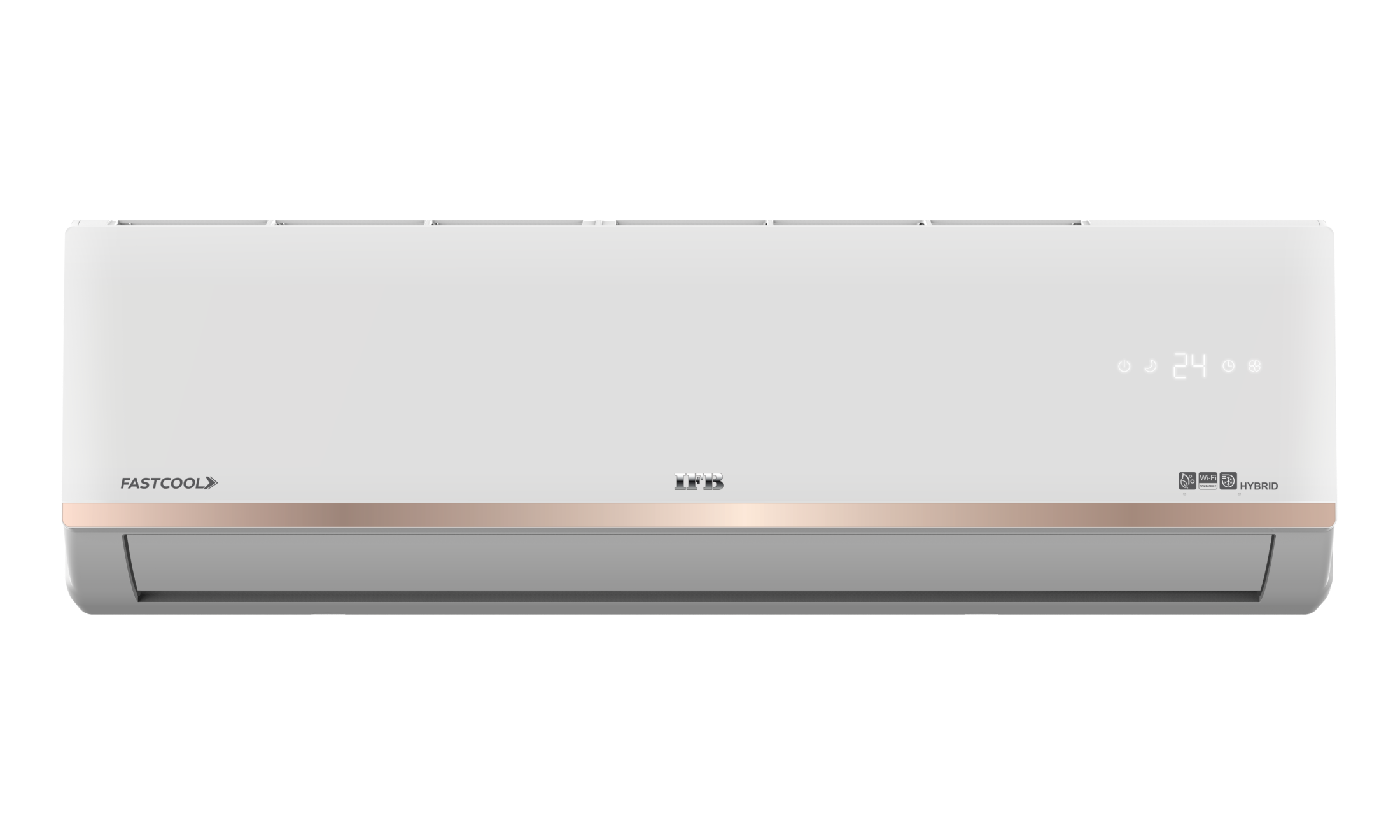
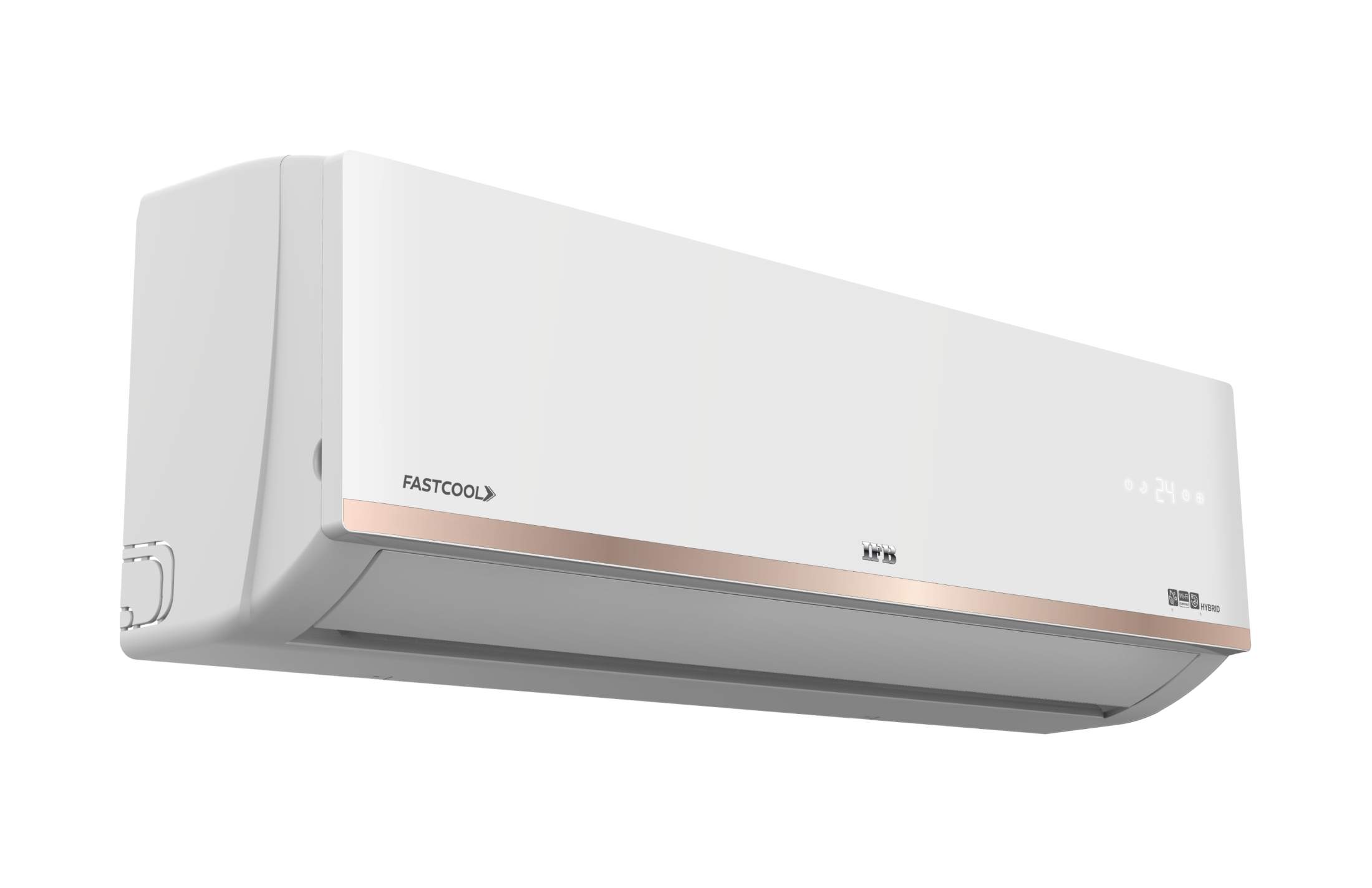
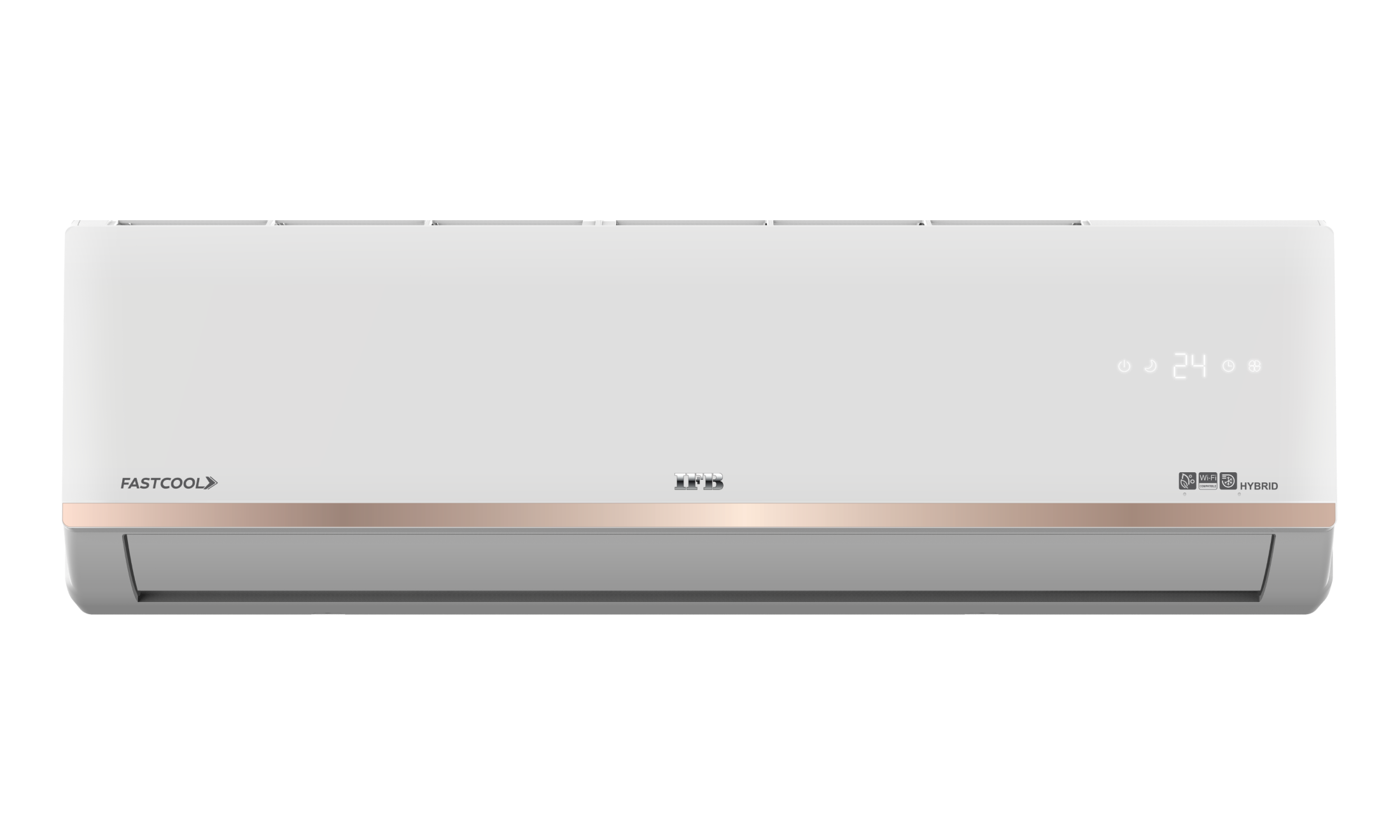
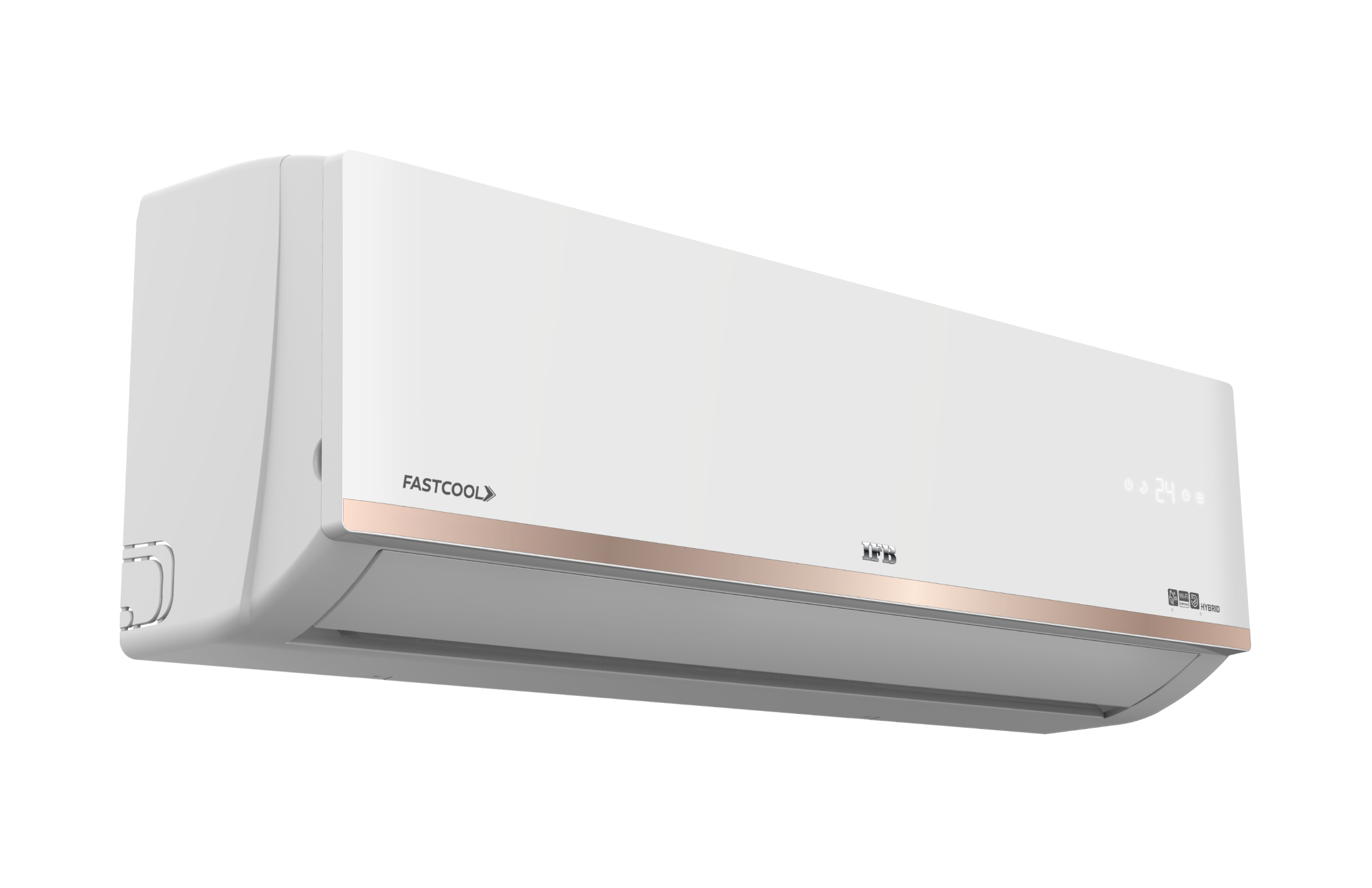
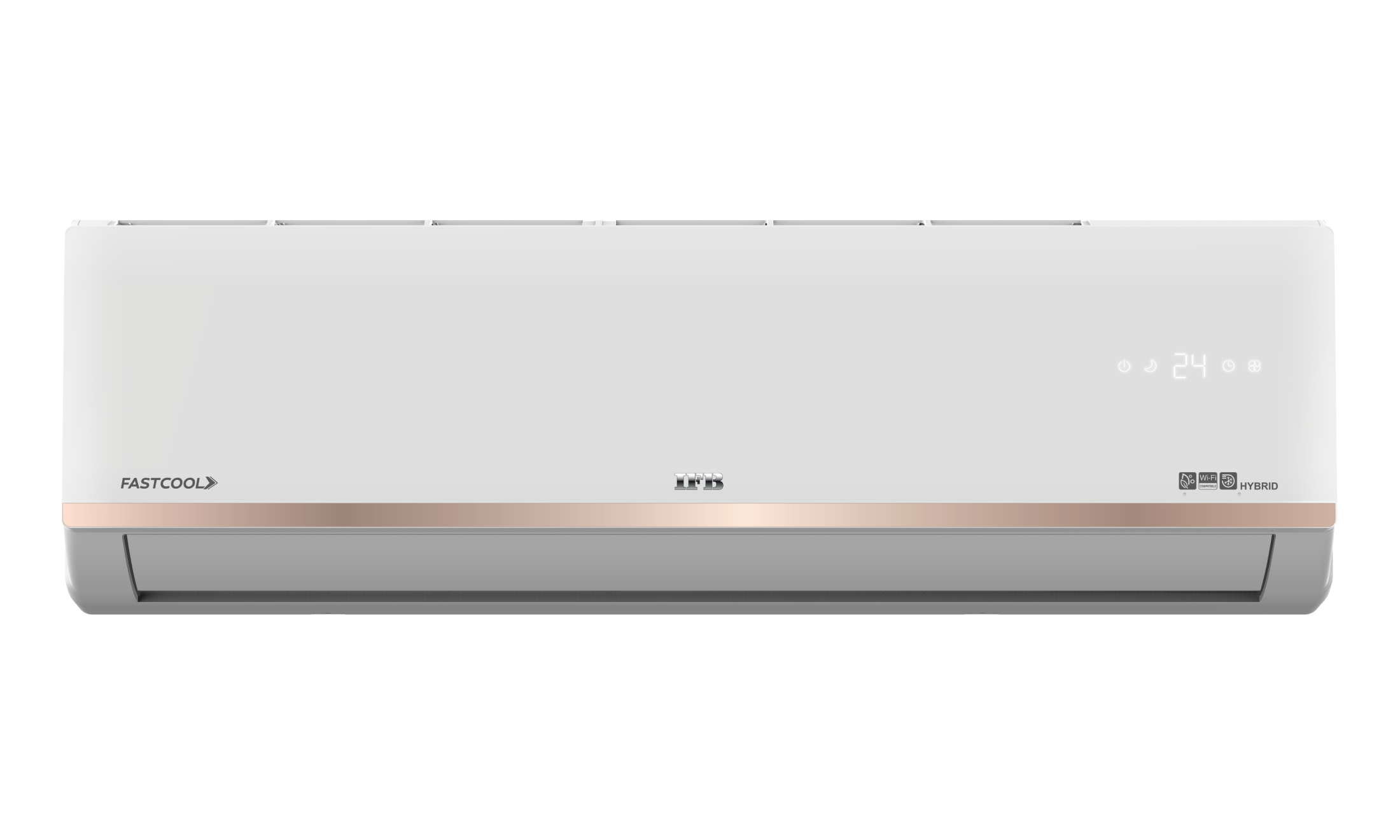
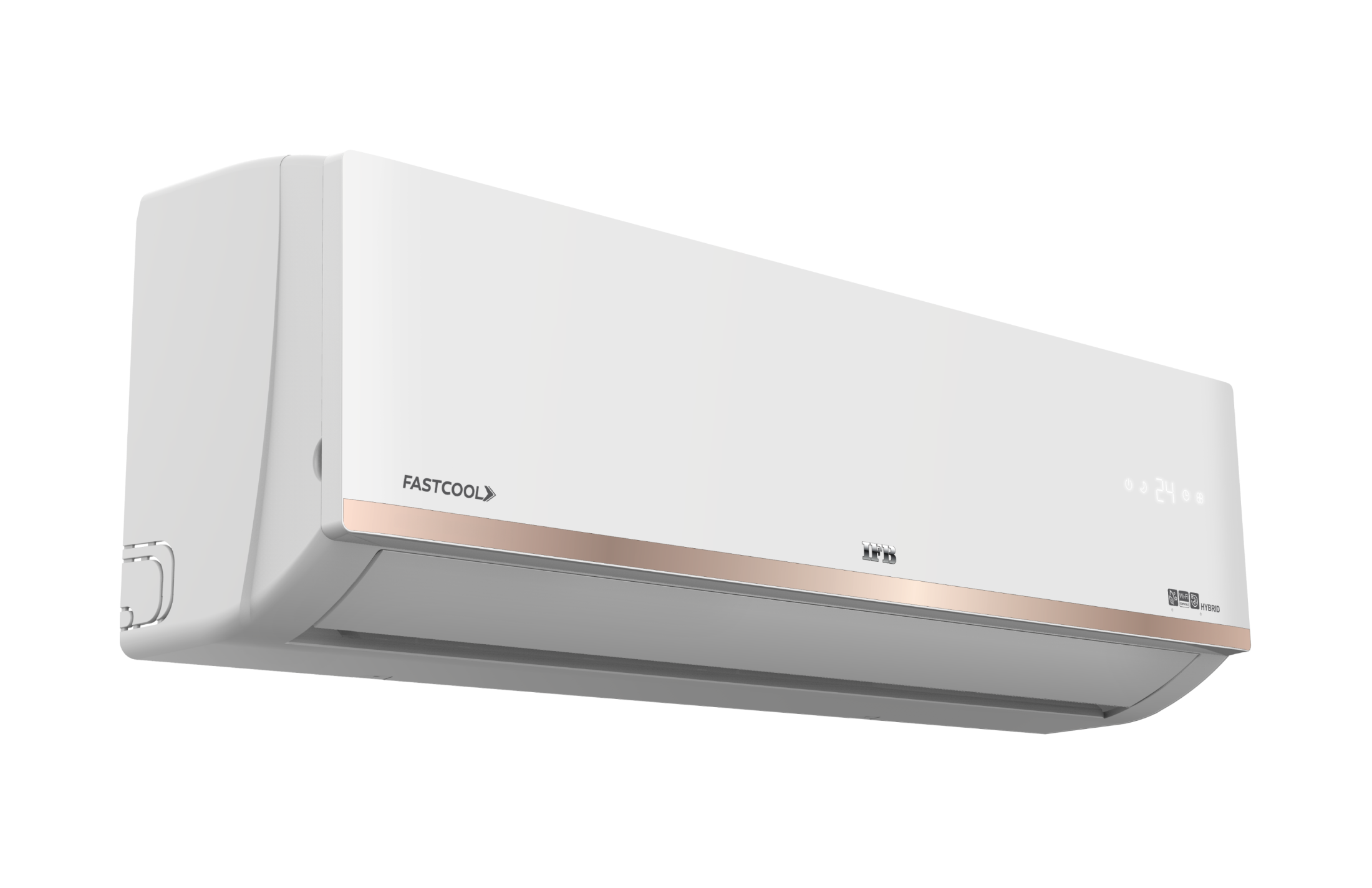
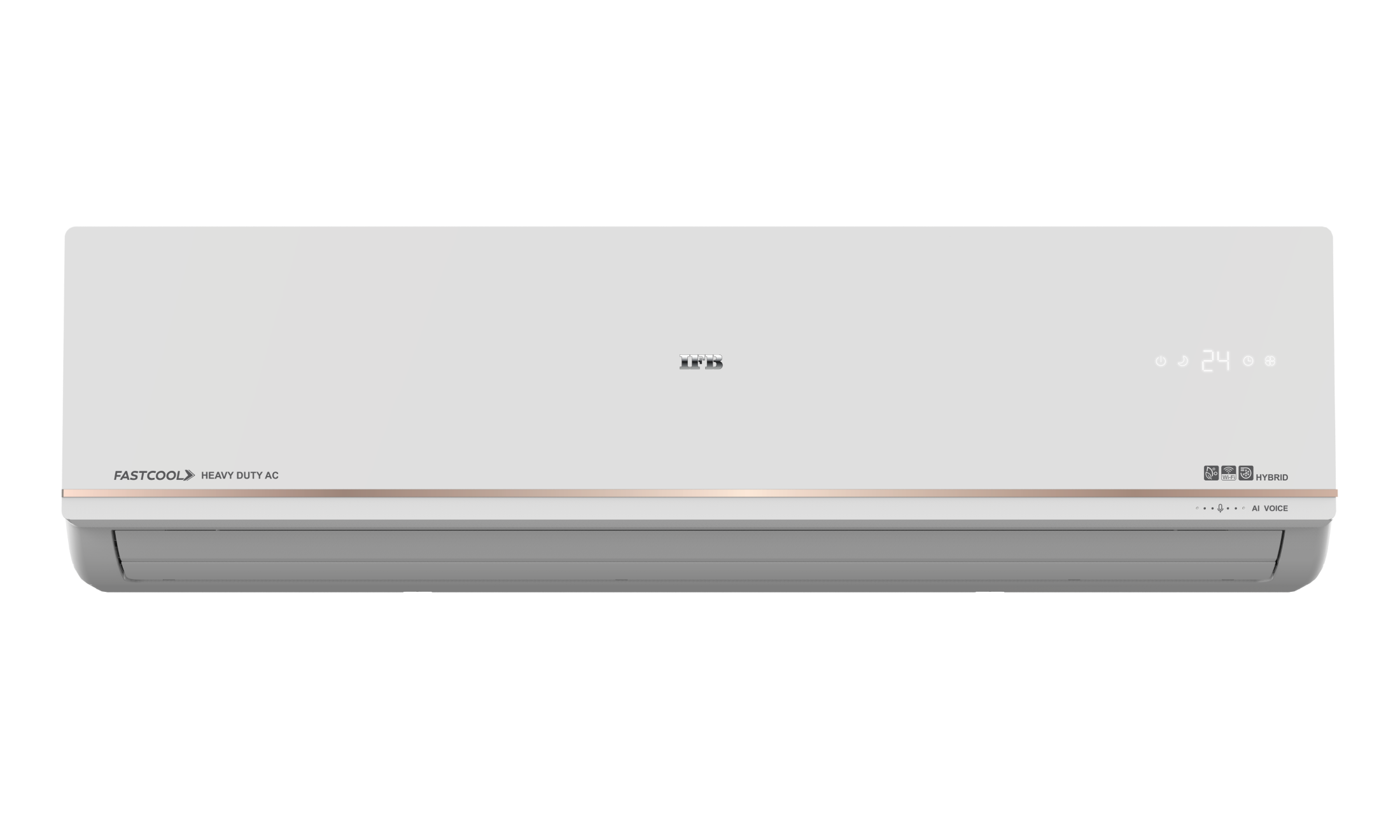
A hybrid ac combines two cooling behaviours in one machine. IFB FastCool is India's first AC with Hybrid Mode: when the room is hot, it runs like a fixed-speed AC at full cooling power, reaching your set temperature faster than a standard inverter AC. Once the room is comfortable, it switches to inverter operation, scaling the compressor down to hold the temperature efficiently. A regular inverter AC ramps up and down on a single curve; the hybrid simply sprints first and cruises after. The result is the best of both: the quick relief of full-power cooling on a scorching evening, and the low running cost of inverter efficiency through the night.
What is a smart AC and how does it make cooling more convenient?
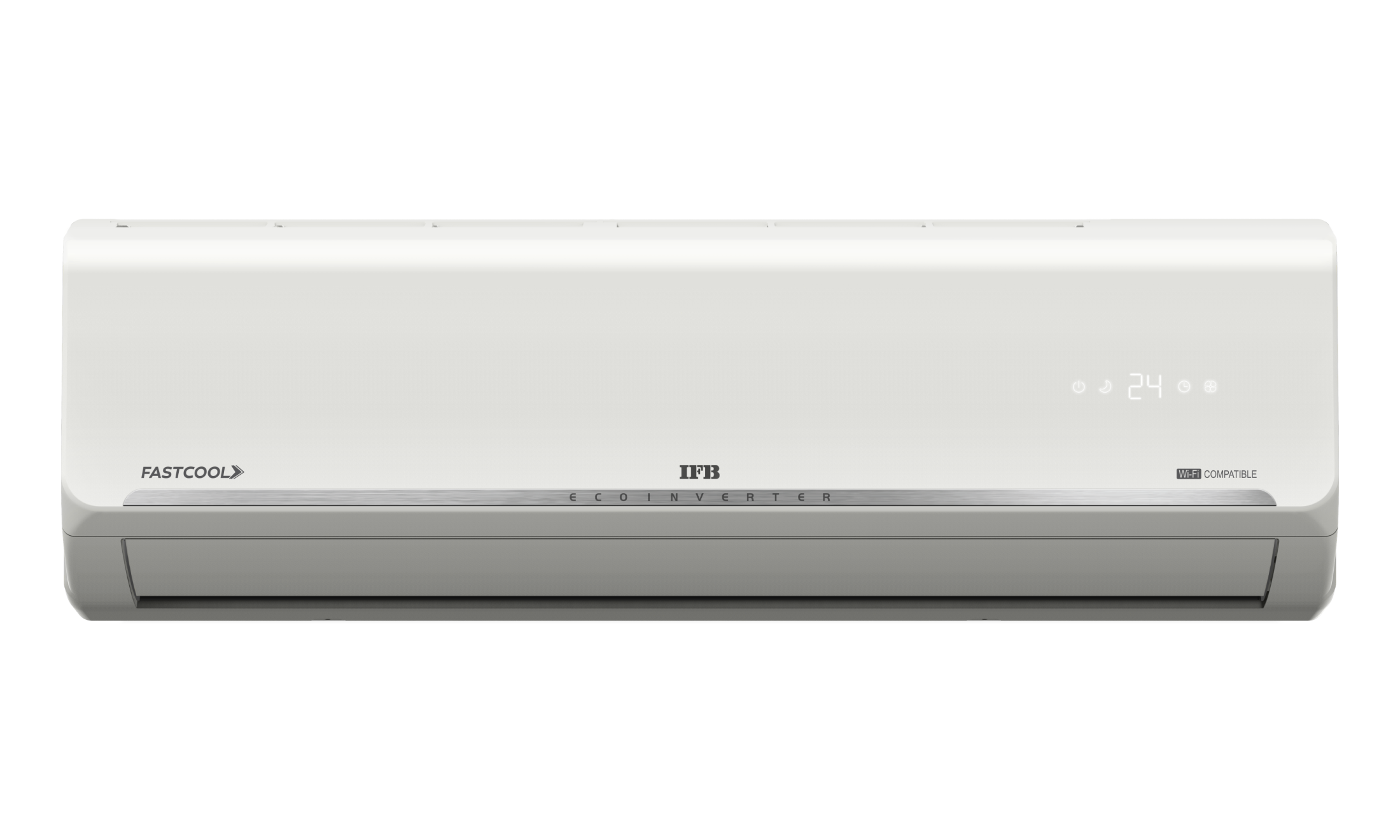
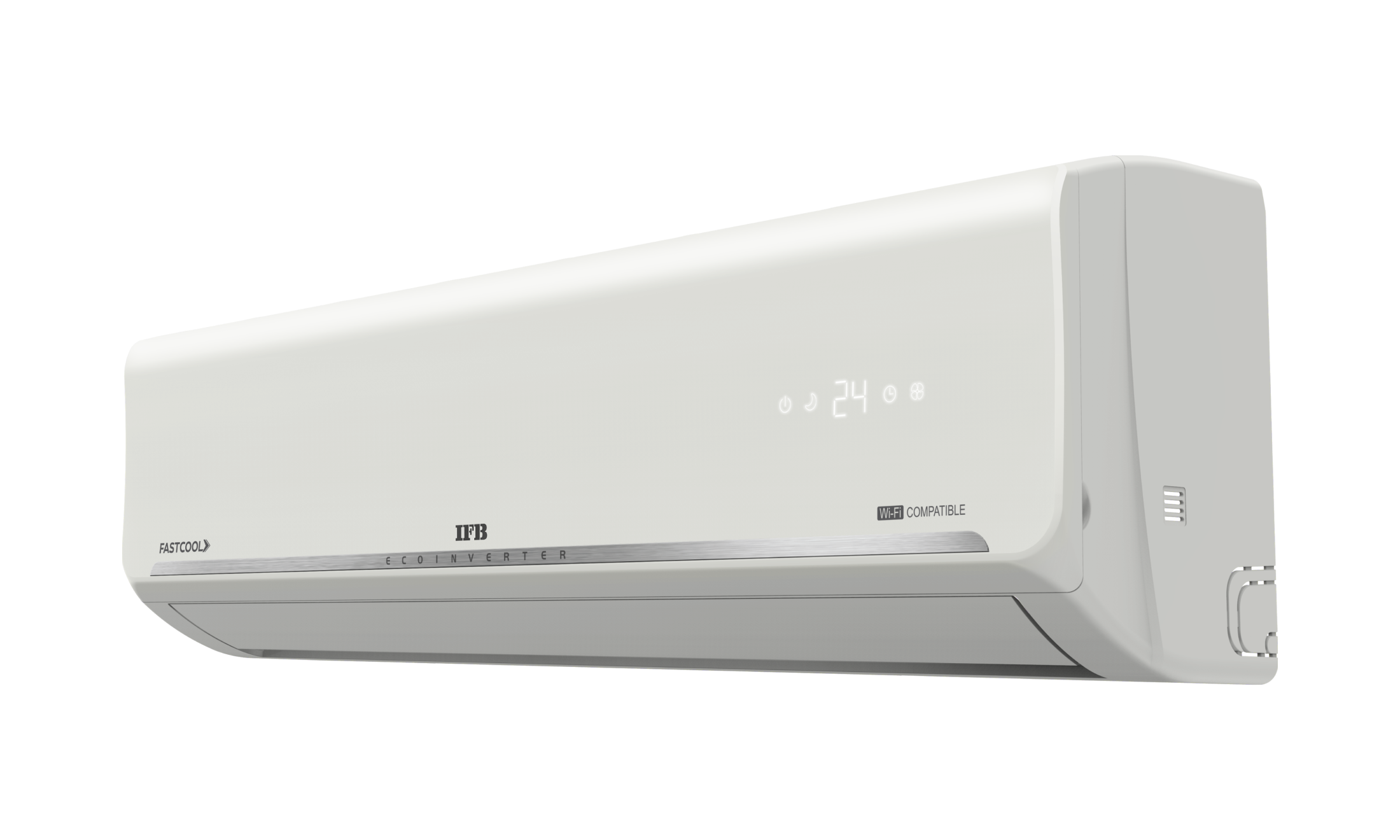
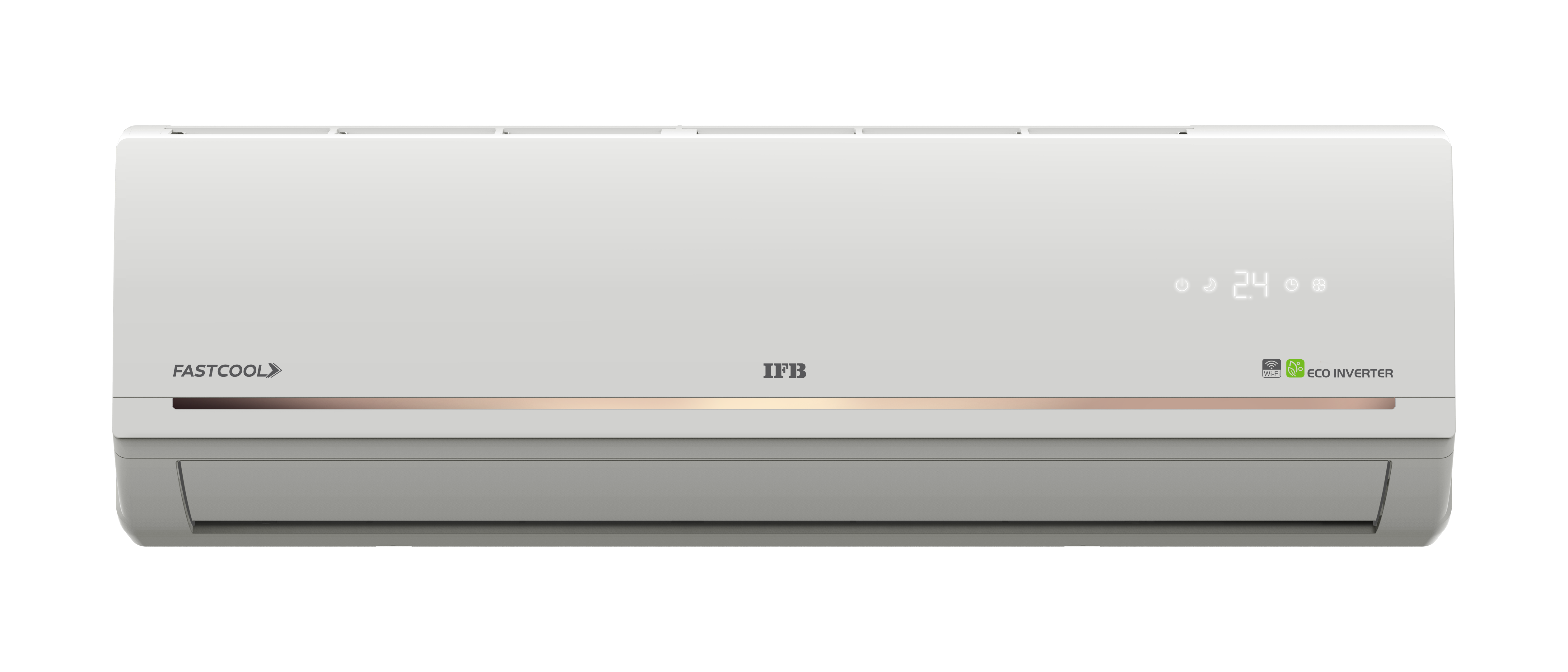
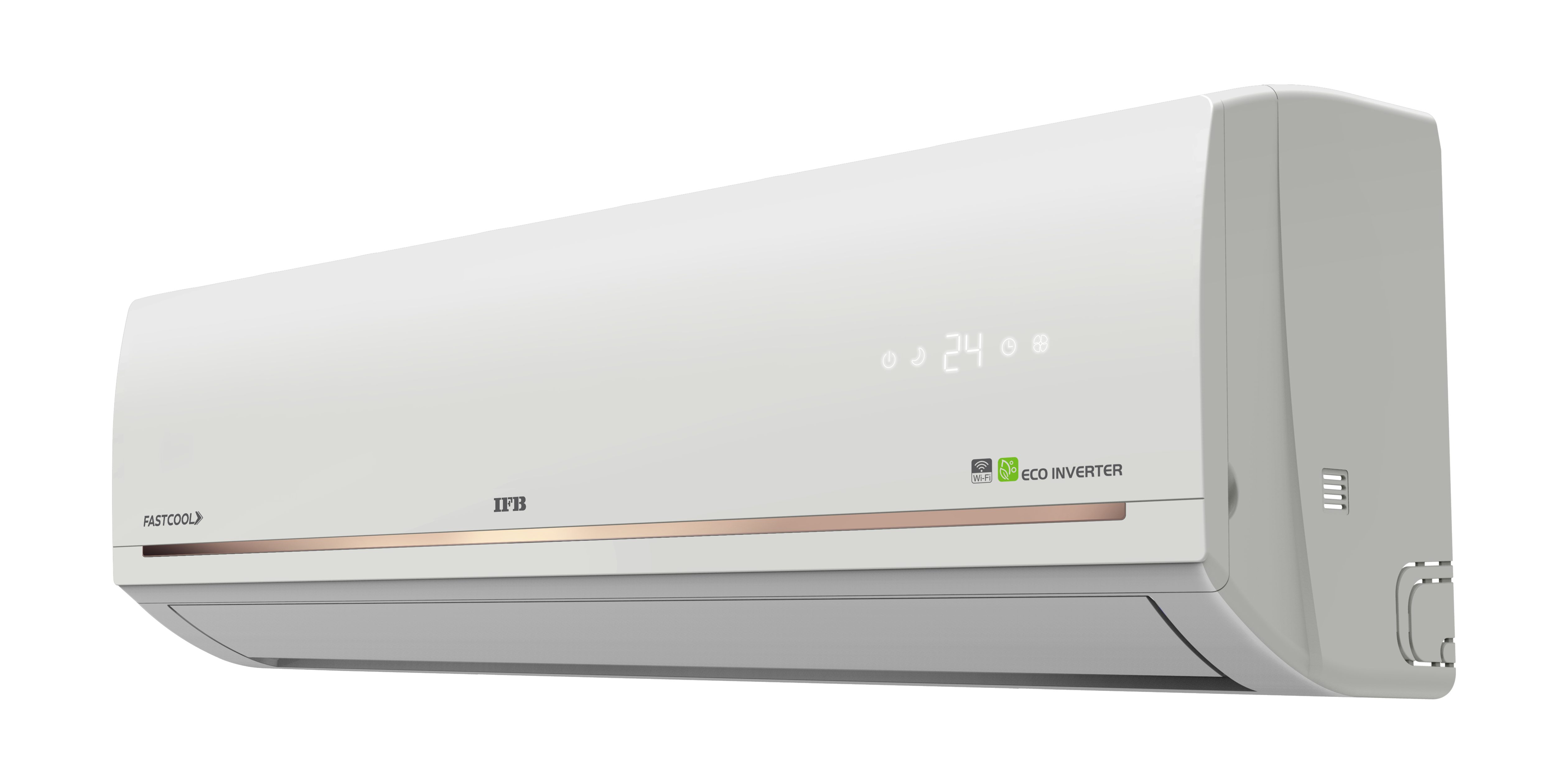
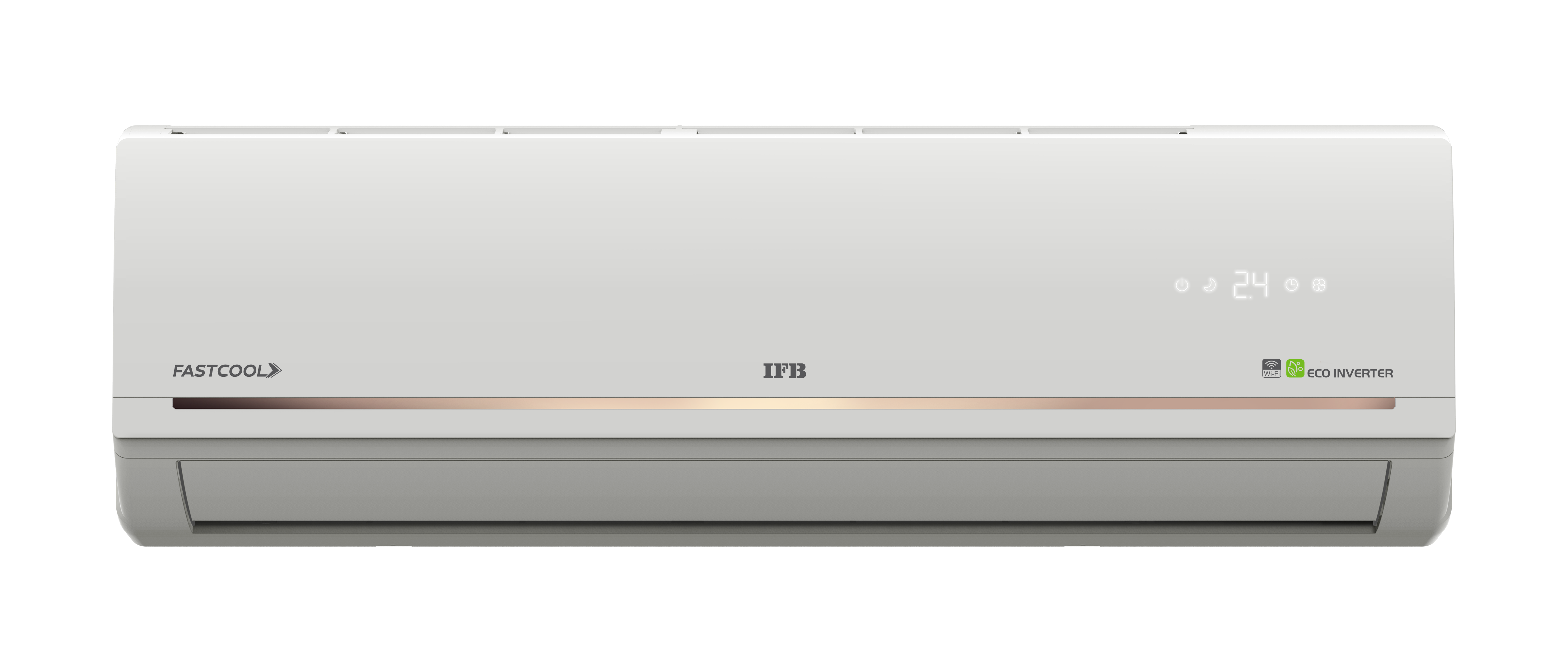
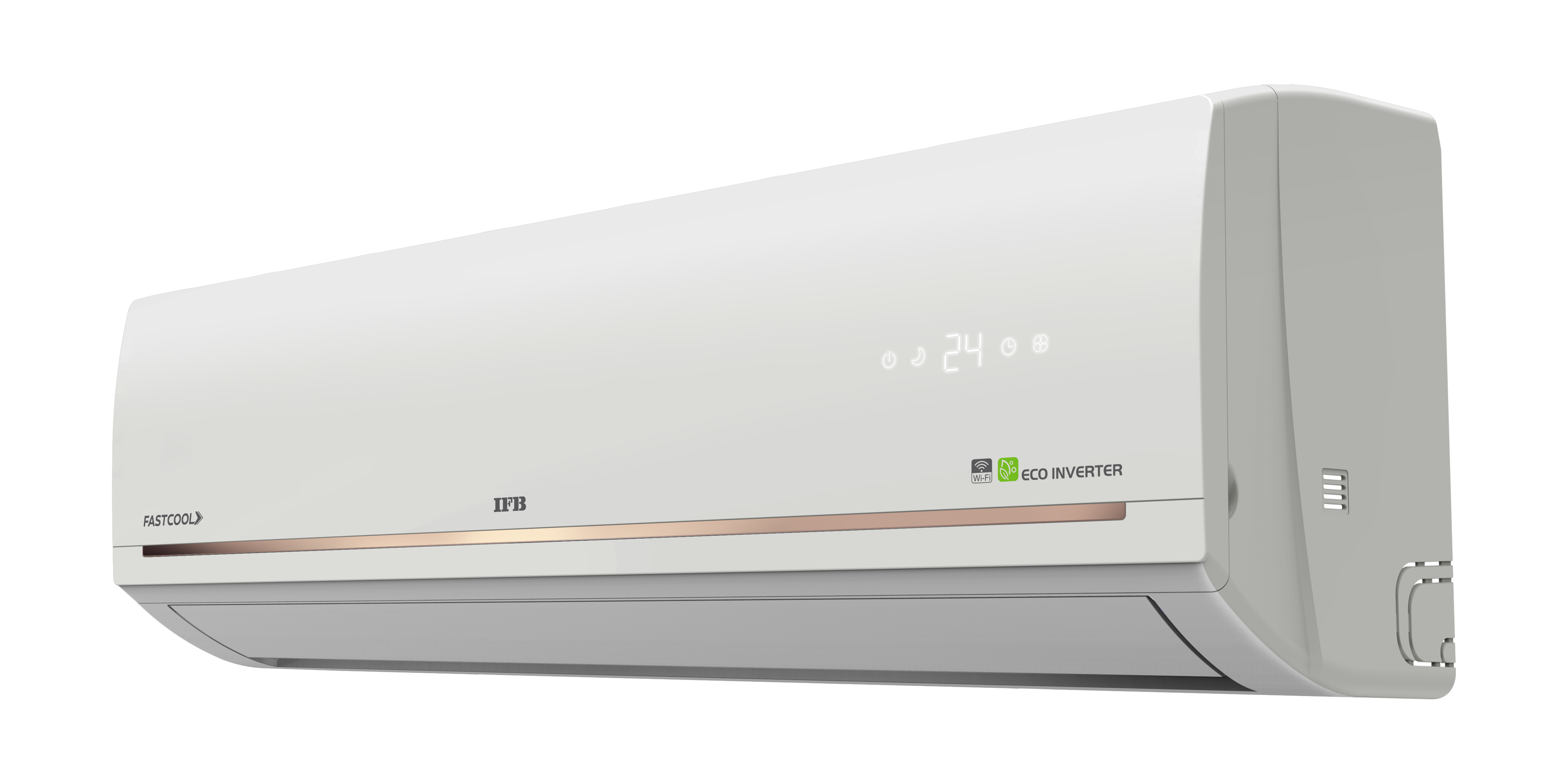
A smart ac connects to your home Wi-Fi and puts the air conditioner in your pocket. Through the My IFB app, you control it from anywhere: switch it on while driving home so the room is cool when you arrive, adjust the temperature without hunting for the remote, or check whether you left it running after leaving the house. Scheduling lets the AC follow your routine automatically. IFB smart models add Direct Voice Command, built into the AC itself, so a simple spoken instruction works even without an internet connection. The convenience is quiet but constant: cooling that fits around your day instead of waiting for you to manage it.
What is the difference between a smart AC and a regular air conditioner?
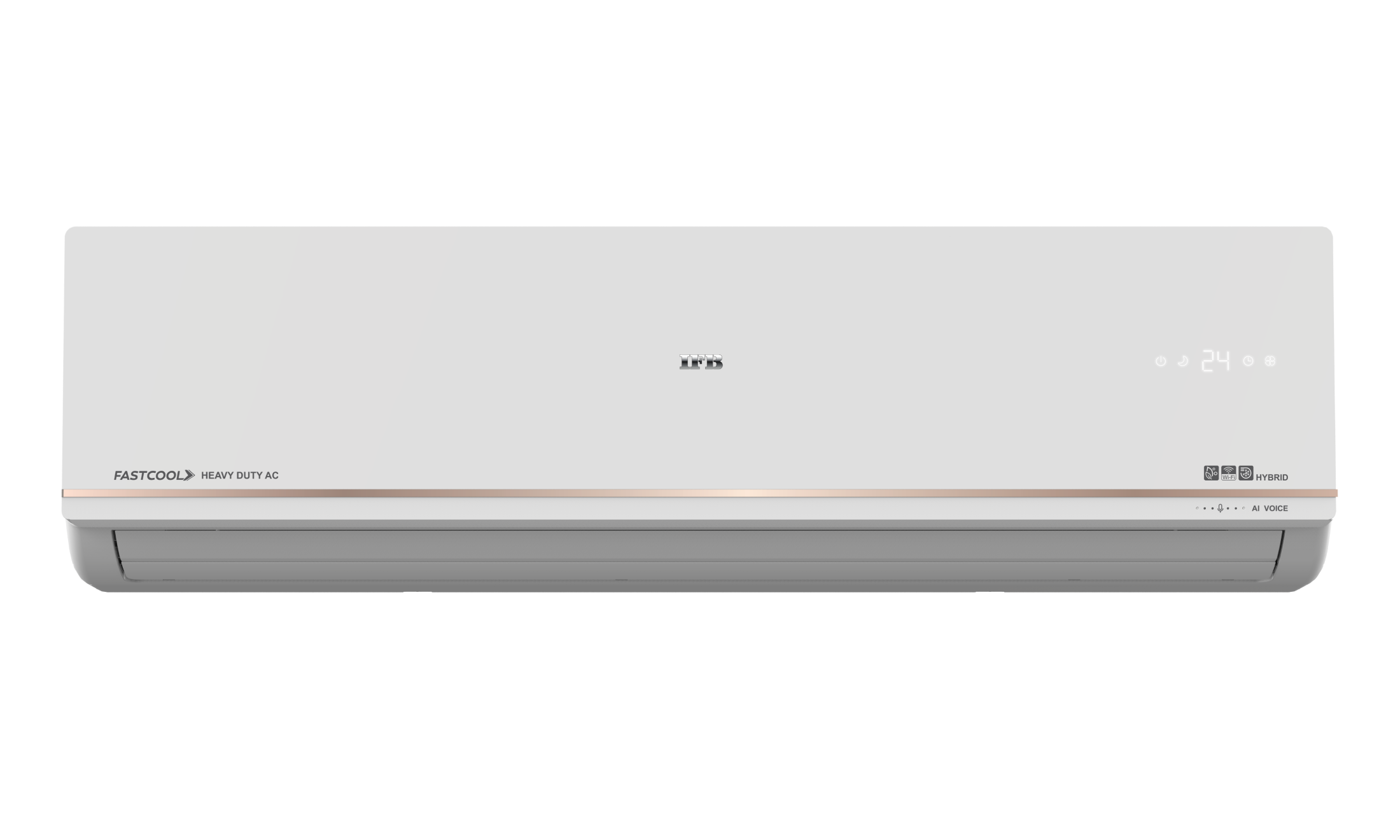
The cooling hardware can be identical; the difference is control and awareness. A regular air conditioner does what its remote tells it, when you are in the room to press the buttons. A smart ac connects to Wi-Fi, so the My IFB app controls it from anywhere, schedules it around your routine, and keeps you informed about its operation. Voice control adds hands-free convenience, and on IFB models, Direct Voice Command works even without internet. In daily use this means pre-cooling rooms before you arrive, never wondering whether the AC was left on, and adjusting comfort from the sofa, the office or another city. Same cool air, far more say in how you get it.
What can I do with a smart air conditioner?
More than you might expect. With a smart air conditioner from IFB, the My IFB app becomes your remote from anywhere: switch the AC on before you leave office so home greets you cool, change temperature and modes from bed, and switch it off from the airport if you forgot in the rush. Set schedules so the AC starts before you wake and rests after you sleep. Use voice commands for hands-free control; IFB's Direct Voice Command responds even without an internet connection. The app also keeps your appliance organised in one place, from registration to booking a service call. Cooling stops being a chore you manage and becomes a setting you have already made.
Is a wifi air conditioner useful for remote control and scheduling?
Genuinely useful, in ways that become habits. A wifi air conditioner lets you start cooling from anywhere through the app, so the bedroom is already comfortable when you walk in on a 45-degree evening; that pre-cooling alone justifies the feature for many families. Scheduling runs deeper: set the AC to switch on before you return from work, ease off in the cool hours after midnight, and never run an empty room by mistake. Remote off means a forgotten AC is a tap away from corrected, not a day of wasted electricity. On select IFB models, Wi-Fi control comes built in with full access through the My IFB app.
How much power does an air conditioner consume?
It depends on three things: the capacity, the star rating and your usage. A larger air conditioner draws more power while running, so a 1.5 ton unit consumes more per hour than a 1 ton. The star rating then decides how efficiently that power becomes cooling; a 5 star AC delivers the same comfort with meaningfully fewer units than a 3 star. Finally, hours of use and habits matter: a well-sized inverter AC holding a sensible 24 to 26 degrees consumes far less than one battling an open door at 18. For exact figures, the BEE energy label on each model states its ISEER rating and annual consumption estimate, the most reliable numbers to compare.
Which IFB air conditioner is suitable for a living room or hall?
Start from the size of the space. For living rooms between 120 and 160 square feet, an IFB air conditioner 1.5 ton handles the job well, cooling evenly even with the family gathered in the evening. For larger halls of up to around 220 square feet, a 2 ton inverter model is the right choice, ensuring uniform cooling when the space is full and the doors keep opening. Living areas benefit from IFB's dual inverter compressor, which cools steadily through long hours of use and stays effective even at extreme outdoor temperatures, and 4-way swing that spreads air across the whole room. Add smart and voice control, and the most-used room in the house becomes the most comfortable one.