
 0
0


 Facebook
 X
X
 WhatsApp
 Email
Email

A clean-looking wash and a fresh-smelling one are not always the same thing. This mismatch usually happens because odour does not behave like a stain. It lingers in trapped moisture, body oils, detergent residue, overfilled drums, delayed drying, or even in the washing machine itself. Removing odour properly means addressing the source, not masking it with fragrance. Once you know the cause, the fix is usually simple.
Common Reasons Clothes Hold Odour After Washing
The most common causes are clothes left damp in the drum , too much detergent or too little, crowded loads that do not rinse thoroughly, drying cut short, and a machine that is overdue a clean. Towels, socks, uniforms, activewear, and synthetic fabrics tend to lock in body oils and moisture, which is why they often hold onto odour.
Why Timing Matters More Than People Expect
Leaving clothes in the drum after the cycle finishes turns fresh laundry stale. The load should be removed promptly, shaken out, and dried without delay. That single habit often improves freshness.
How Detergent Choices Affect Freshness
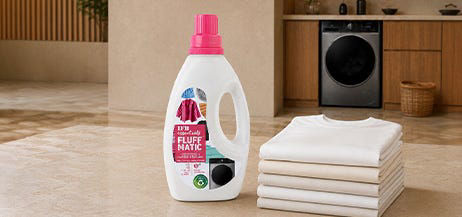
Fresh-smelling laundry depends on effective soil removal and clean rinsing, not on fragrance alone. If soil, detergent residue, or moisture remain in the fabric after washing, odours can persist even after the wash cycle. A machine-specific detergent helps here. For front load machines, IFB Essentials Fluff Matic Front Load Liquid Detergent is formulated for low-foam washing and thorough rinsing.
For an added layer of freshness, IFB Essentials Fabric Conditioner can be used alongside the detergent to leave a gentle fragrance on your clothes after every wash.
If your wash routine relies on a top load machine, the detergent choice should match how that machine washes. IFB Essentials Fluff Matic Top Load Liquid Detergent is formulated specifically for top load wash cycles, giving you the same clean rinsing and residue-free results wash after wash
How Machine Hygiene Helps
A washing machine carrying detergent buildup, lint, grime, or stale moisture can transfer that smell into an otherwise clean wash.. Tub care, drawer cleaning, and allowing the machine to dry out between washes all support better-smelling laundry. Periodic maintenance with IFB Machine Care helps keep the drum clean and reduces the chances of old residue carrying over into new loads.
Drying Is Not the Last Step — It Is Part of Odour Removal
Laundry that feels almost dry is often still damp at seams, waistbands, hems, cuffs, or thicker folds. That remaining moisture is enough to bring the smell back once the clothes are folded and stored. Towels, jeans, sweatshirts, bedsheets, and exercise wear need extra attention at the drying stage. Good airflow and complete drying are essential if you want freshness to last beyond wash day.
The Loads Most Likely to Smell and How to Handle Them
Sportswear, socks, uniforms, towels, kitchen cloths, and baby laundry are more prone to trapping moisture and body residue.These items should not sit for days before washing. Sorting them out sooner and washing them in a more deliberate cycle can stop odour from building up.
Freshness Comes From Routine, Not Fragrance
Better laundry freshness comes from better habits. Remove the load on time, use the correct amount of detergent, avoid overloading, keep the machine fresh, and make sure every item dries fully before storing. Unlike fragrance, these habits address the source of the odour.
Key Takeaways
Odour in clothes usually comes from moisture, residue, timing, or washer hygiene rather than from the fabric alone. A cleaner, better-timed laundry routine removes odour and keeps it from returning.