 0


 Facebook
 X
 WhatsApp
 Email

In a Nutshell
An inverter washing machine adjusts its motor operation to suit the demands of a wash, supporting efficient performance and quieter operation.
-
How it works: Electronic controls regulate motor speed according to the wash requirements.
-
Key benefits: Lower electricity consumption, quieter operation, and reduced vibration.
-
What to consider: Upfront price, energy rating, capacity, warranty, and how often you wash.
-
Is it worth it? It is worth considering if you do laundry regularly and value efficient, quieter performance. Actual savings depend on the model and usage.
The Little Technology Behind a Better Wash
Laundry might not be the most glamorous part of a wardrobe, but keeping clothes looking their best starts long before they make it back to the hanger. Between delicate fabrics, everyday essentials, and the ever-growing pile of towels and bedsheets, your washing machine works harder than you probably give it credit for.
So, when it is time to choose a new one, the details matter. Capacity, wash programmes, and energy ratings deserve attention, but there is another feature worth looking at: the motor. An inverter washing machine is designed to adjust motor operation to suit the demands of a wash, supporting efficient performance, quieter operation, and reduced vibration.
But is it worth paying extra for? Let’s get into the details.
Inverter Technology, Without the Jargon
At its simplest, inverter technology in washing machines use electronic controls to regulate motor speed according to the machine’s operating requirements. Instead of relying on the same fixed operating level throughout a wash, the motor adjusts its performance as needed.
IFB’s Eco Inverter Motor is designed to support lower electricity consumption, quieter operation, and reduced vibration. These benefits make it worth considering when comparing washing machines, particularly if yours handles several loads each week.
What Happens Behind the Drum?
The motor powers the drum or washing mechanism through different stages of a cycle, from washing to spinning. In an inverter washing machine, electronic controls regulate the motor’s operation according to the demands of the cycle.
In an inverter automatic washing machine, this technology works alongside programmed wash, rinse, and spin stages. The actual energy use still depends on the machine, load size, programme, and frequency of use.
Inverter vs Non-Inverter: The Difference
When comparing an inverter vs non inverter washing machine, the main difference lies in how the motor is controlled.
| Feature | Inverter washing machine | Non-inverter washing machine |
| Motor control | Adjusts operation to suit the cycle | Typically uses simpler motor control |
| Energy use | Designed to support efficient operation | Depends on the motor and machine design |
| Noise and vibration | Often quieter, with reduced vibration | Varies by model |
| Initial cost | Often higher | Often lower |
| Long-term value | Potential savings with regular use | Lower upfront investment in many cases |
These are general comparisons, not guarantees for every model. The motor, overall design, wash settings, and usage habits all influence performance.
The Everyday Benefits That Matter
The appeal of an inverter motor washing machine goes beyond technical specifications. It comes down to how the appliance fits into everyday life.
-
More considered energy use: Inverter motor control is designed to improve efficiency, although actual electricity consumption varies with the load and programme.
-
Quieter washes: Reduced operating noise makes laundry less disruptive, particularly when the machine is close to living spaces.
-
Less vibration: Smoother motor operation supports more stable performance.
-
Potential long-term savings: If you wash frequently, improved energy efficiency could help offset some of the initial cost over time.
The key is to look at these benefits alongside the BEE star rating, capacity, and features of the specific machine.
The Catch: What Inverter Technology Doesn’t Do
No single feature makes a washing machine perfect. Inverter technology does not guarantee a lower electricity bill, eliminate maintenance, or prevent every mechanical issue.
The initial inverter washing machine price is often higher than that of a comparable non-inverter model. The savings you realise depend on how often you wash, which programmes you use, and your electricity tariff. Repair costs also depend on the fault, warranty coverage, and availability of parts.
Think of inverter technology as one part of the buying decision, not the entire decision.
Front Load or Top Load? Start With Your Routine
An inverter motor is only one part of the machine. The format matters, too.
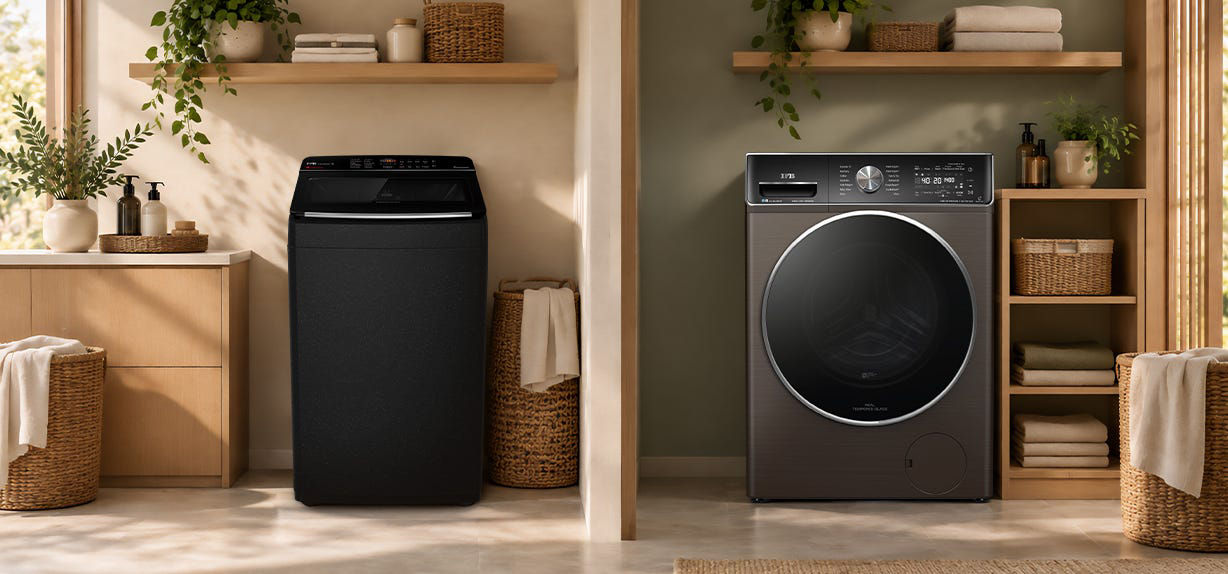
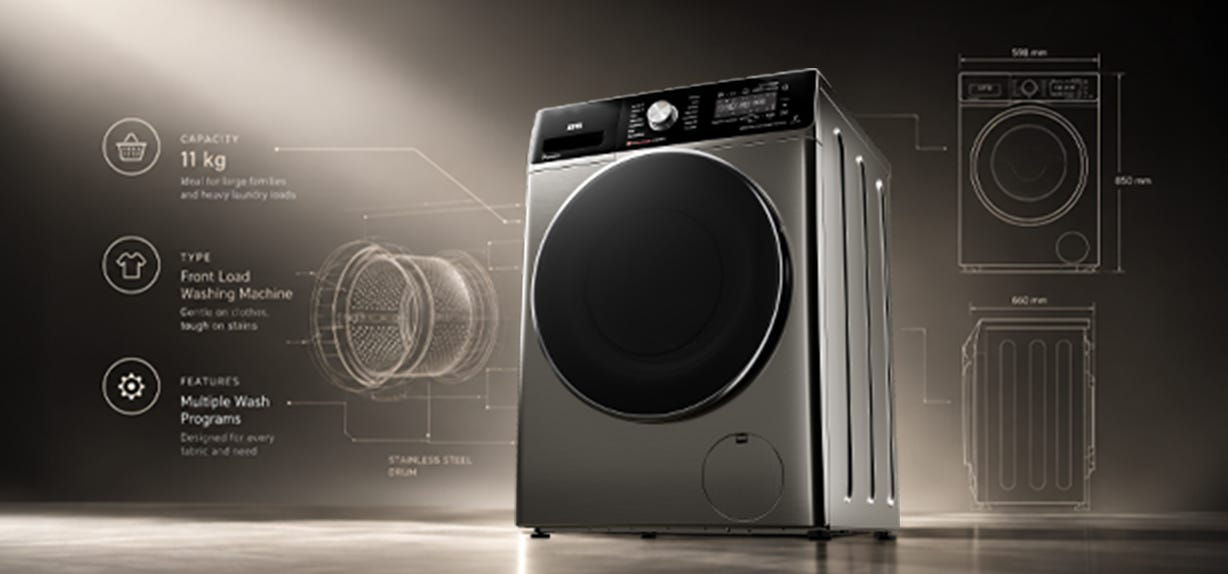
A front load washing machine uses a horizontal drum and a tumbling wash action. Front load models are generally worth considering if water efficiency and fabric care are priorities.
A top load washing machine opens from above, making loading and unloading convenient. It combines this accessible design with inverter motor technology, where offered on the selected model.
Neither format is automatically right for everyone. Think about your available space, the clothes you wash, and how much laundry you typically handle. Compare the options in the IFB washing machine range before making a decision.
So, Is an Inverter Washing Machine Worth the Price?
For a household that runs frequent wash cycles, inverter technology is worth considering. Quieter operation, reduced vibration, and the potential for more efficient energy use can add value over the years you own the machine.
If you wash only occasionally or have a strict upfront budget, the price difference deserves closer consideration. Compare the inverter washing machine price with the machine’s energy rating, capacity, warranty, and other useful features.
IFB models featuring an Eco Inverter Motor offer these benefits as part of a wider set of washing technologies. The best choice is the one that fits your laundry routine and budget, not simply the one with the most advanced-sounding specification.
For more practical advice on getting the best out of your appliance, explore IFB’s laundry tips and hacks.