 0


 Facebook
 X
 WhatsApp
 Email

In a Nutshell
-
RPM explained: Revolutions per minute (RPM) measures how fast a washing machine's drum spins during the spin cycle.
-
Higher isn't always better: A higher RPM generally extracts more water from clothes, but it doesn't automatically mean better cleaning.
-
Give fabrics the right care: Delicate materials need gentler spin settings, while suitable heavier fabrics often benefit from faster spinning.
-
Drying made easier: Higher spin speeds generally leave clothes with less moisture, helping reduce drying time.
-
Choose beyond the numbers: Consider spin-speed options, wash programmes, fabric care, capacity, and energy ratings when choosing a washing machine.
More Than Just a Number
Some laundry days call for a quick refresh, while others involve a mountain of towels, heavy denim, and bedsheets waiting to be washed. Beyond wash programmes and smart features, there's another detail worth looking at when choosing a washing machine: its spin speed.
Measured in revolutions per minute (RPM), spin speed influences how much water your clothes retain after a wash. A higher number might look impressive on a product specification sheet, but does it automatically translate to better cleaning?
Not quite. Understanding washing machine RPM helps you look beyond the numbers and choose a machine that suits your fabrics, laundry habits, and drying needs. After all, the best wash isn't always the fastest spin. It's the one that gives your clothes the right care.
The Science Behind Every Spin
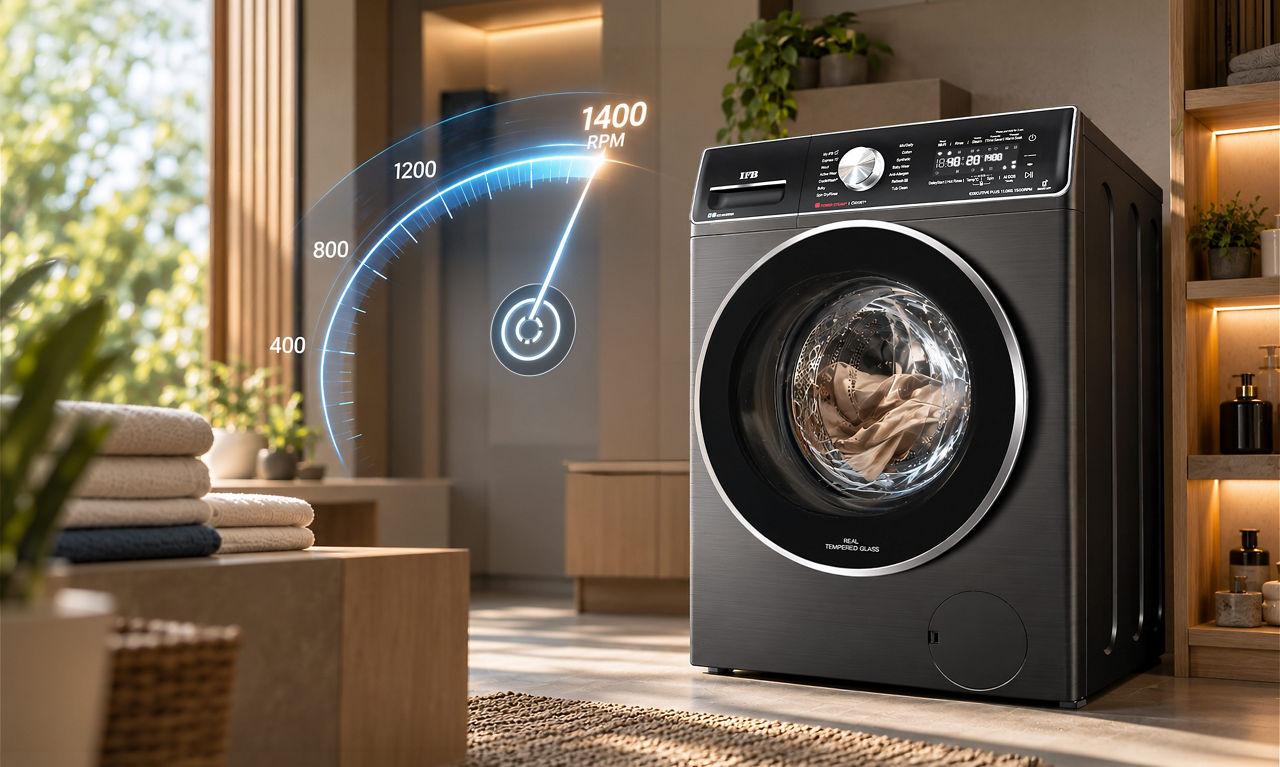
RPM stands for revolutions per minute. It measures how many times a washing machine's drum rotates in one minute during the spin cycle.
So, what is RPM in washing machine specifications? Simply put, it tells you how fast the drum spins to extract water from your clothes after washing and rinsing.
Here's what to know about spin speed:
-
Higher RPM: The drum spins faster, generally extracting more water from the laundry.
-
Lower RPM: The drum spins more slowly, helping reduce mechanical stress on delicate fabrics.
-
Variable RPM: Different spin settings let you adjust the cycle to suit different fabric types and laundry needs.
The average RPM of washing machine models varies by design and model. Some machines offer lower maximum spin speeds, while certain front load models offer settings of 1,000, 1,200, or 1,400 RPM.
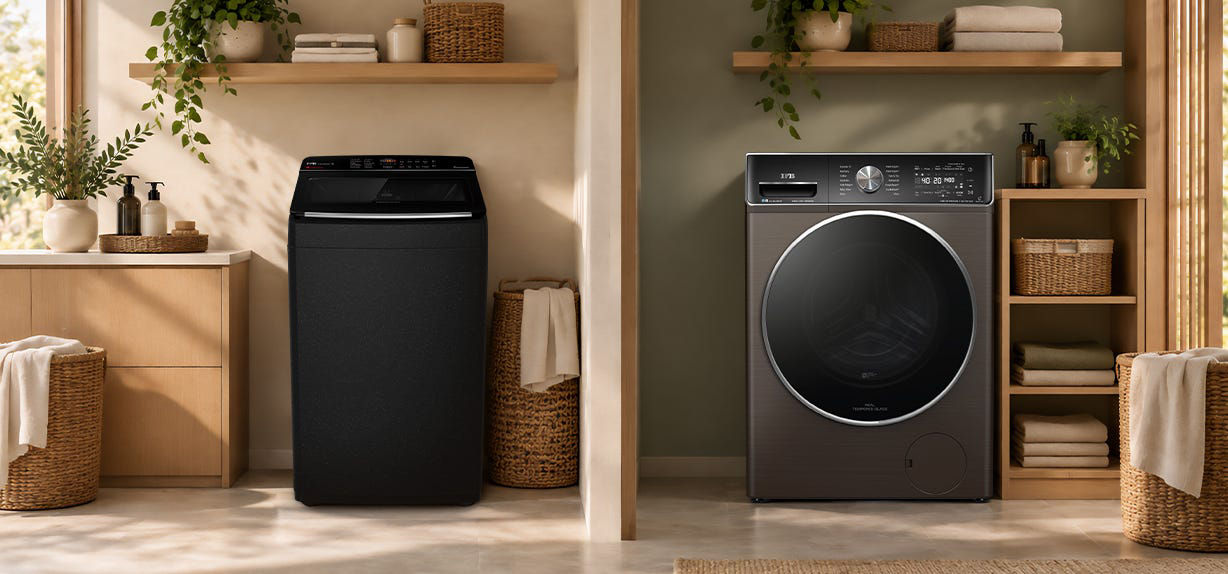
When comparing a front load washing machine with a top load washing machine, check the specifications of the individual model rather than assuming that every machine in either category has the same spin speed.
From Wet to Ready: The Role of Spin Speed
The spin cycle plays an important role in what happens after the wash is complete. As the drum rotates, centrifugal force pushes water out of the fabric and through the drum's perforations.
Here's how washing machine spin speed for clothes affects everyday laundry:
-
Moisture retention: Higher spin speeds generally remove more water, leaving clothes less wet when the cycle ends.
-
Drying time: Clothes with less retained moisture typically dry faster, whether they're air-dried or placed in a dryer.
-
Fabric care: Delicate fabrics often benefit from lower spin speeds, as aggressive spinning may cause unnecessary stress.
-
Everyday convenience: Choosing the right spin setting helps balance moisture extraction with the care each fabric needs.
For example, cotton towels and denim often benefit from a higher spin setting, provided the care labels and wash programme allow it. Delicate garments, on the other hand, generally need gentler treatment.
The takeaway? Spin speed influences how wet your laundry is at the end of a cycle, but it's only one part of the washing process.
Higher RPM, Better Wash? Not So Fast
It's easy to assume that a faster drum means cleaner clothes. However, the primary purpose of the spin cycle is to extract water, not to do the main cleaning.
Actual washing performance depends on several factors:
-
Wash action: Drum movement and the way clothes interact with water and detergent help loosen and remove dirt.
-
Detergent performance: Using the right detergent and quantity helps achieve an effective wash.
-
Programme selection: A suitable wash programme accounts for the fabric type and level of soiling.
-
Spin speed: This mainly affects how much water remains in clothes after washing and rinsing.
A higher RPM is useful when your priority is to remove more moisture before drying. However, it doesn't automatically improve stain removal or make every fabric suitable for a faster spin.
When choosing the best RPM washing machine, consider the range of spin settings available rather than focusing only on the highest number.
Finding Your Spin Sweet Spot
Choosing between high vs low RPM is about finding the right balance between moisture extraction and fabric care. Neither setting is ideal for every load.
High spin speed
-
Extracts more water from suitable fabrics.
-
Helps reduce the time needed for air-drying or tumble-drying.
-
Works well for many everyday cotton garments, towels, and heavier items when permitted by their care labels.
-
May place greater mechanical stress on delicate fabrics.
Low spin speed
-
Extracts more water from suitable fabrics.
-
Helps reduce stress on fabrics that are more susceptible to damage.
-
Leaves more moisture in the laundry, which generally means longer drying times.
-
Suits loads for which the garment care label or selected programme recommends a gentler spin.
Rather than choosing one setting for every wash, adjust the spin speed according to the load. When in doubt, follow the garment care label and the washing machine's programme recommendations.
When Your Machine Slows Down
Ever noticed your washing machine slowing down or attempting to redistribute clothes before the spin cycle? There's a practical reason behind it.
Laundry needs to be distributed reasonably evenly inside the drum for effective spinning. When clothes collect on one side, the load becomes unbalanced, which may cause excessive vibration.
A washing machine may adjust its spin speed or attempt to redistribute the laundry to manage this imbalance.
Here's why that happens:
-
Uneven load distribution: Heavy items gathered on one side can affect the drum's balance.
-
Mixed laundry: Different fabric weights and item sizes may make the load harder to balance.
-
Overloading: Packing the drum too tightly may restrict movement and prevent clothes from distributing evenly.
-
Programme settings: Some programmes deliberately use lower spin speeds to suit the selected fabric type.
If the machine repeatedly struggles to spin, try redistributing the clothes and checking that the load is within the recommended capacity. For persistent issues, consult the relevant IFB support resources.
Every Fabric Has Its Speed
The right spin speed depends on what you're washing. Instead of using the highest setting by default, match the programme and spin speed to the fabric.
-
Cotton clothes: Everyday cotton garments generally tolerate moderate to higher spin speeds, depending on their care labels.
-
Towels and bedsheets: These heavier items often benefit from higher spin speeds to remove more water, provided the selected programme permits it.
-
Denim: A suitable higher spin setting helps extract moisture from heavier denim, but always check the garment's care instructions.
-
Delicate fabrics: Silk, fine knits, and other delicate materials generally need lower spin speeds or a dedicated delicate programme.
-
Woollens: Use a wool programme and the recommended spin setting to help protect the fibres and shape.
-
Mixed loads: Choose a programme that accommodates the most delicate item in the load, or separate garments by fabric type for better care.
Choosing the right spin speed is just one part of caring for your clothes. The wash programme matters, too, especially when you're dealing with delicate fabrics or mixed loads. Read our guide on selecting the ideal wash cycle for different fabrics to make more informed choices for every load.
Spin Speed and Electricity — Is There a Connection?
Spin speed and energy consumption are related to the overall wash cycle, but a higher RPM doesn't automatically mean a more energy-efficient washing machine.
A faster spin uses energy to rotate the drum. At the same time, extracting more water may reduce the time and energy needed for subsequent drying, particularly when using a tumble dryer.
Keep these points in mind:
-
Energy consumption varies by model: Motor technology, programme settings, load size, and other design factors influence how much electricity a machine uses.
-
Drying methods matter: Reducing retained moisture may be especially helpful when laundry is tumble-dried.
-
Energy ratings are broader indicators: A washing machine's energy rating reflects its performance under defined testing conditions, not its maximum RPM alone.
-
The right programme makes a difference: Choose settings that suit the load instead of automatically selecting the highest spin speed.
Features such as IFB's Eco Inverter Motor are designed to support quieter operation, reduced vibration, and lower electricity consumption. For an individual machine's energy rating and spin-speed specifications, check its product details.
Choosing the Right RPM for Your Laundry Routine
A higher-spin-speed washing machine is worth considering if you regularly wash heavier loads and want to reduce the moisture left in clothes before drying. However, the maximum RPM shouldn't be the only factor guiding your decision.
Before choosing a model, consider:
-
Your laundry habits: Think about how often you wash towels, bedsheets, everyday clothing, and delicate garments.
-
Your drying routine: Higher spin speeds may help when you need clothes to dry sooner.
-
Your fabric-care needs: A good selection of programmes and spin settings offers flexibility across different loads.
-
Your household requirements: Capacity, wash programmes, energy performance, and ease of use all contribute to the overall experience.
-
The model specifications: Compare the available spin speeds rather than assuming every front load or top load machine offers the same RPM.
The best RPM washing machine is ultimately one that combines suitable spin speeds with the programmes and features your household needs. A higher maximum speed is useful, but having the flexibility to choose the right setting is just as important.
It's All About Finding the Right Balance
RPM is an important specification, but it tells only part of the story. A faster spin generally extracts more water, while a gentler setting helps care for fabrics that need a lighter touch.
Once you understand how the washing machine spin cycle works, choosing the right setting becomes much easier. Match the spin speed to your laundry, follow garment care instructions, and consider the machine's full range of features when making your choice.
Because good laundry care isn't about making every cycle faster. It's about getting the right results for every load.