Steamed Goan Patoli

Steamed Goan Patoli

Sweetened rice cakes steamed in turmeric leaves

  • Prep Time Prep Time 45 min
  • Cook Time Cook Time 25 min
  • Servings Serving Size 4
  • Recipe Type Recipe Type Microwave Oven

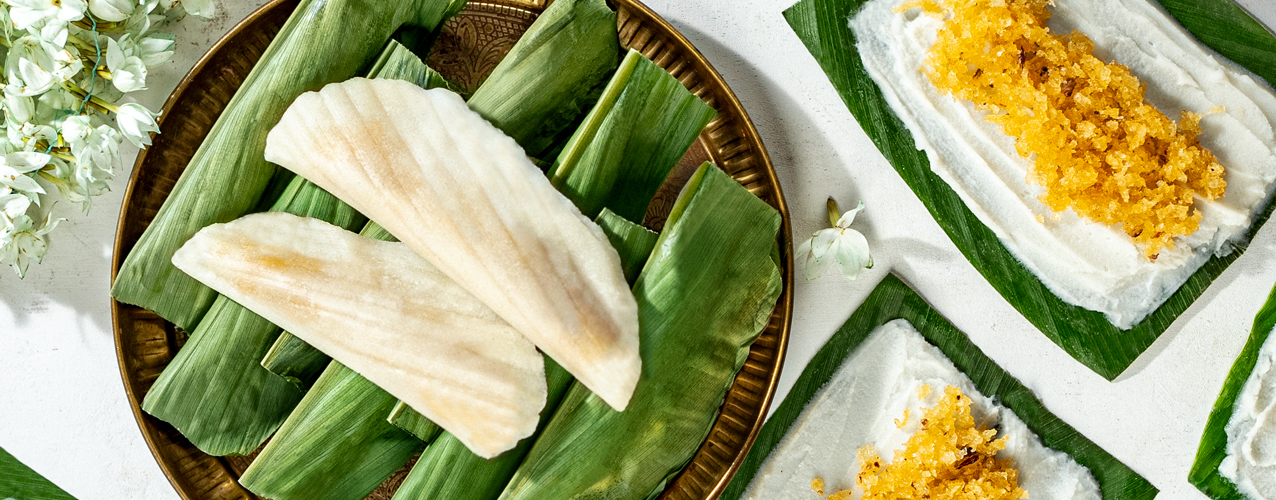
Steamed Goan Patodi is a saccharine cake made from rice flour. It is filled with grated coconut, sweetened with jaggery, and delicately spiced with cardamom. The dough and filling are then steamed in turmeric leaves, which gives this sweet its characteristic fragrance. Patodi holds a special place in Goan servings during festive occasions and family gatherings. It is particularly popular during the auspicious month of Shravan and is prepared for Ganesh Chaturthi celebrations. Patodi is also a part of the festivities of Feast of Assumption, which coincides with Independence Day.

Ingredients

  • ¼ kg Rice Flour<\li>
  • 250 gms Grated Coconut
  • 1 tsp Salt
  • 250 gms Jaggery
  • 6 Cardamom
  • 8 Turmeric Leaves
  • Water as required.

Method

  • Steamed Goan Patodi is a saccharine cake made from rice flour.
  • It is filled with grated coconut, sweetened with jaggery, and delicately spiced with cardamom.
  • The dough and filling are then steamed in turmeric leaves, which gives this sweet its characteristic fragrance
  • Patodi holds a special place in Goan servings during festive occasions and family gatherings.
  • It is particularly popular during the auspicious month of Shravan and is prepared for Ganesh Chaturthi celebrations.
  • Patodi is also a part of the festivities of Feast of Assumption, which coincides with Independence Day.

Rate This Recipe

Overall Rating

Rating star icon 0 (0)

Select your rating

success-icon

Thanks for your rating!

error-icon

Something went wrong. Please try again!

You’re reviewing

Steamed Goan Patoli

Steamed Goan Patoli

Rate your experience!

Tell us more

Similar Recipes

Modak
Cooking time icon 35 mins
Rating star icon

0 (0)

Modak

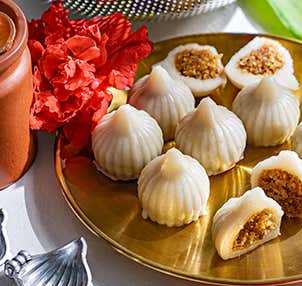
The Maharashtrian delicacy, Ukdiche Modak, is central to celebrating Ganesh Chaturthi as Lord Ganesha’s favourite sweetmeat. Legend says that Anusuya, an ancient saint’s wife, invited Lord Shiva, Goddess Parvati, and Lord Ganesha to her house to seek their blessings. Different kinds of food could not satisfy Lord Ganesha until Anusuya served him a modak. His stomach was full, and he burped, just as Lord Shiva burped 21 times. This led to the practice of preparing 21 modaks as an offering to Lord Ganesh. These steamed dumplings are made with rice flour dough, filled with a luscious mixture of grated coconut and jaggery, and infused with aromatic cardamom.
Gajar Ka Halwa
Cooking time icon 45 mins
Rating star icon

0 (0)

Gajar Ka Halwa

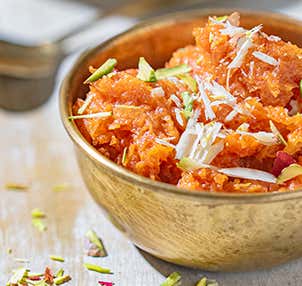
The origins of Gajar Ka Halwa offer a fascinating glimpse into culinary history. It is thought that the journey of this beloved dessert began in 1526 during the Mughal era. Originating from Afghanistan, vibrant carrots found their way to Indian soil via Dutch traders, eventually taking root in Punjab, where they thrived. In this region, the concept of cooking orange carrots with milk, sugar, ghee and khoya (a type of milk solid) came to fruition, giving birth to the rich, sweet concoction we know today as carrot halwa. Later, the dessert was enhanced with the infusion of cardamom and a lavish sprinkling of nuts and raisins. The dish’s vibrant orange hue, reminiscent of Indian festivities, and its comforting warmth make it particularly popular during the cooler months as a sweet reminder of the bounty of winter harvests.
Holle
Cooking time icon 15 mins
Rating star icon

0 (0)

Holle

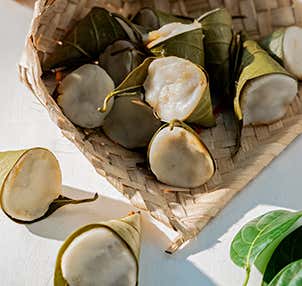
Holle, a well-loved Goan dessert, marries the ritualistic and agricultural essence of Goa, spotlighting rice and coconut as symbols of prosperity. Integral to San Joao festivities, this dessert is more than a treat; it celebrates the monsoon’s arrival, embodying the community’s jubilance. Crafted from a base of freshly ground rice flour and a fragrant filling of jaggery, coconut, split chickpeas, and cardamom, holle is steamed in jackfruit leaf cones, a testament to Goan ingenuity. This process, deeply rooted in tradition, involves communal early morning rice grinding and singing, linking generations.

Product You May Like to Buy