Popatjee

Popatjee

Golden sweet bites kissed with toddy and spice

  • Recipe Type Recipe Type Hob

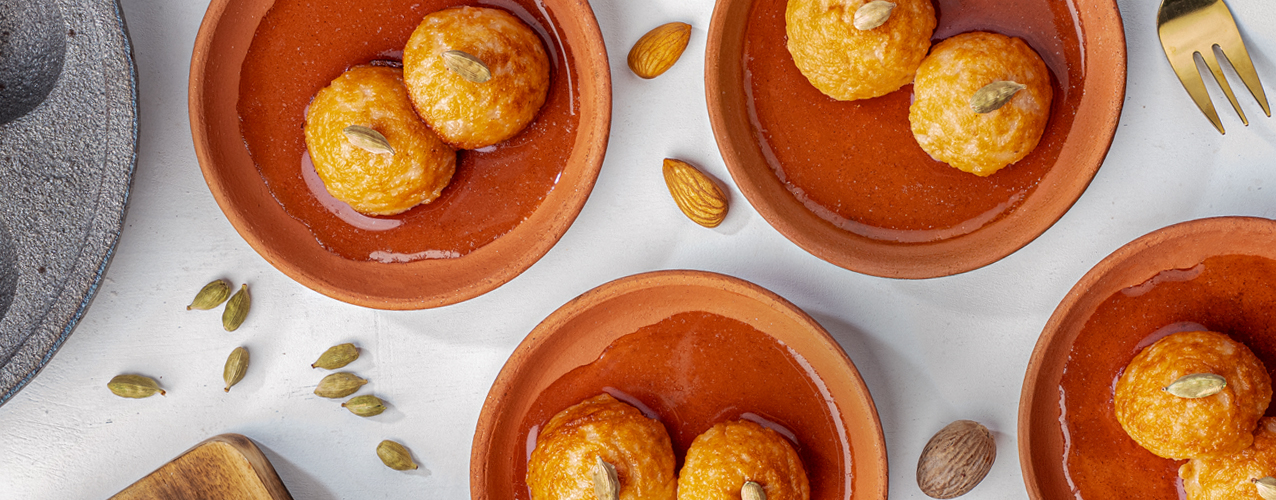
Popatjee, a Parsi festive delicacy, brings together semolina, toddy, and gentle notes of nutmeg in a batter that’s fried to golden perfection. Each piece, crisp on the outside and tender within, is dipped in aromatic sugar syrup for a rich, melt-in-the-mouth sweetness. Traditionally prepared during Muktad, this sweet bread carries echoes of Dutch poffertjes and Persian kitchens—culinary influences absorbed through centuries of trade on India’s western coast. Once made in brass pans, today it’s recreated in appe moulds, keeping alive a timeless ritual of indulgence, warmth, and community celebration.

Ingredients

  • 2 cups wheat flour
  • 1 cup maida
  • 1/2 cup ravo
  • 2 eggs
  • 2 tbsp ghee + for frying
  • A pinch of salt
  • 1/2 kilo dahi
  • Almonds and cashew nuts
  • Cardamom and nutmeg powder
  • 2 cups milk
  • Appe/Paniyaram pan

Method

  • Mix eggs and ghee together till fluffy. Add wheat flour, maida, ravo, dahi and mix well.
  • The dough must be semi liquid. Adjust the thickness using milk.
  • Add cardamom powder, nutmeg powder, almonds, cashew nuts and a pinch of salt. Mix again and keep aside.
  • Make sugar syrup with 1 and half cups sugar and water. It must reach one string consistency.
  • Heat the appe pan and add ghee to the holes.
  • Add about 1 tbsp batter to each hole and fry till one side is golden brown. Turn and fry the other side.
  • Remove from the pan and immediately dunk into the sugar syrup. It should cover the popatjee.

Find out more about the history and tradition of the dish

In India, ragi has been found in archaeological excavations dating back to 1800 BC, and has been associated with honouring poets with a concoction of ragi, milk, and honey.

Read
Regional Table

Rate This Recipe

Overall Rating

Rating star icon 0 (0)

Select your rating

success-icon

Thanks for your rating!

error-icon

Something went wrong. Please try again!

You’re reviewing

Popatjee

Popatjee

Rate your experience!

Tell us more

Similar Recipes

Jalebi
Cooking time icon 10 mins
Rating star icon

0 (0)

Jalebi

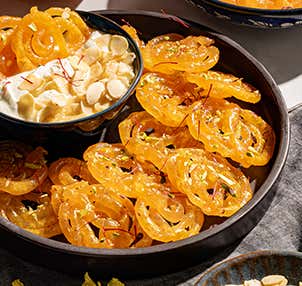
Jalebi is the king of Indian sweets, with its vibrant swirls and crystalline glaze. Interestingly, its history is as rich and complex as its flavour, originating from ancient Persia, where it was known as “zulbiya”. Jalebi made its way to the Indian subcontinent with the advent of Persian traders and invaders, gradually becoming an inseparable part of Indian culinary heritage. The fermented batter is made of all-purpose flour and besan, and the spiral-shaped sweet is fried to golden perfection and finally soaked in a fragrant saffron-infused sugar syrup. A crispy exterior gives way to a succulently sweet interior and has captured the hearts of sweet lovers across generations.
Modak
Cooking time icon 35 mins
Rating star icon

0 (0)

Modak

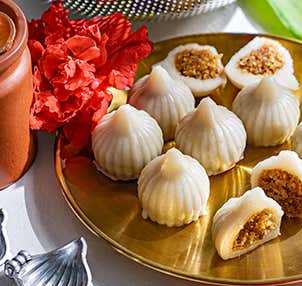
The Maharashtrian delicacy, Ukdiche Modak, is central to celebrating Ganesh Chaturthi as Lord Ganesha’s favourite sweetmeat. Legend says that Anusuya, an ancient saint’s wife, invited Lord Shiva, Goddess Parvati, and Lord Ganesha to her house to seek their blessings. Different kinds of food could not satisfy Lord Ganesha until Anusuya served him a modak. His stomach was full, and he burped, just as Lord Shiva burped 21 times. This led to the practice of preparing 21 modaks as an offering to Lord Ganesh. These steamed dumplings are made with rice flour dough, filled with a luscious mixture of grated coconut and jaggery, and infused with aromatic cardamom.
Lapsi
Cooking time icon 10 mins
Rating star icon

0 (0)

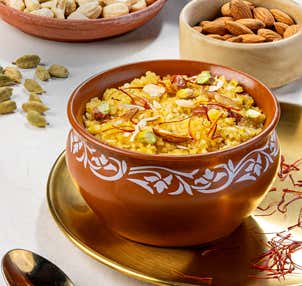
Lapsi

A beloved dessert in many Indian households, Lapsi is a delightful medley of roasted broken wheat, jaggery, and aromatic spices, making it a comforting and heartwarming treat. This dish is a staple during festivals and special occasions, reflecting the rich cultural heritage and the communal joy of sharing homemade sweets. Golden roasted broken wheat forms the base of this dish, absorbing the rich sweetness of melted jaggery. Aromatic cardamom, grated coconut, and delicate saffron strands infuse the dish with warmth and depth, while cashews and raisins, fried to a golden perfection, add a delightful crunch and subtle sweetness. Garnished with almond slivers, this harmonious blend of flavors melds together beautifully, creating a dessert that embodies the essence of Indian festive cuisine.