Zarda

A Timeless Dessert of Aroma and Elegance

  • Prep Time Prep Time 30 min
  • Cook Time Cook Time 25 min
  • Servings Serving Size 4
  • Recipe Type Recipe Type Hob

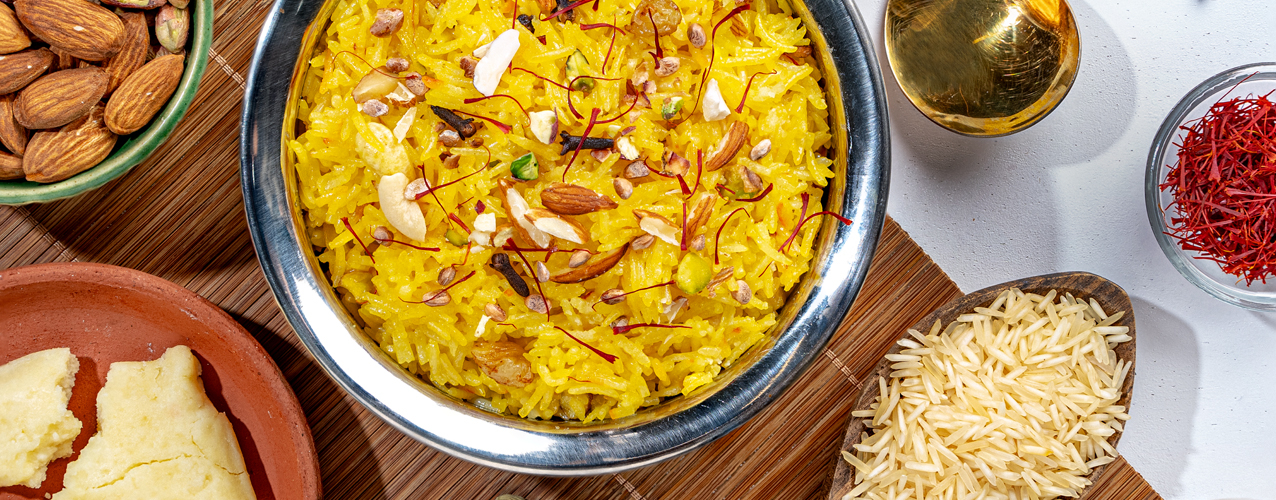
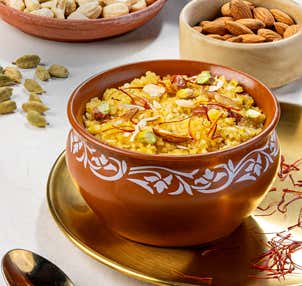
Zarda is a dessert that embodies luxury and tradition. Its golden hues are infused from the richness of saffron and ghee. A beloved dish of Mughal and Awadhi cuisines, this sweet rice pulao is slow-cooked to perfection, allowing cardamom, rose water, and nuts to create a symphony of flavours. Each grain glistens with sugar and khoya, offering a melt-in-the-mouth experience that’s deeply comforting. Prepared for grand feasts and festivals, Zarda isn’t just a dessert—it’s a story of culinary heritage, where every bite brings the warmth of history and the aroma of celebration.

Ingredients

       For the Rice:


  • 1 cup basmati rice (soaked for 30 minutes)
  • 4 cups water (to boil the rice)
  • 4-5 cloves
  • 4-5 green cardamom
  • 1/4 tsp saffron strands soaked in warm milk

     For the Sweetened Mixture:


  • 1 cup sugar (adjust to taste)
  • 3 tbsp ghee
  • 1/2 tsp green cardamom powder
  • Almonds, cashews, pistachios (2 tbsp each, sliced or chopped)
  • 1 tbsp raisins
  • 4 tbsp khoya or mawa (optional, for richness)

       For Garnish:


  • 1 tbsp chironji seeds (optional)
  • 1 tsp rose water (optional)

Method

  • Boil water in a large pot and add the cloves and green cardamom pods for flavour.
  • Add the soaked rice and cook until about 70-80% done (grains should still have a slight bite). Drain and set aside.
  • Heat ghee in a wide, heavy-bottomed pan over low heat.
  • Add the cooked rice, cardamom powder, saffron milk (or food colour), and sugar. Mix gently to avoid breaking the rice grains.
  • Sprinkle the chopped nuts, raisins, and khoya over the rice mixture.
  • Cover the pan with a tight lid and cook on low heat (dum) for 15-20 minutes until the sugar melts and coats the rice, and the rice absorbs the flavours.
  • Turn off the heat and allow the Zarda to rest for 5 minutes.
  • Sprinkle chironji seeds and rose water for added aroma.
  • Gently fluff the Zarda with a fork and serve warm as a dessert or festive treat.
Facts Image

Did you know?

What makes saffron so special? A labor of love, a gift of nature, and a symbol of festivity. Whether in Zarda, Tehri, or a cup of warm chai, saffron is always a celebration!

Find out more about the history and tradition of the dish

In India, ragi has been found in archaeological excavations dating back to 1800 BC, and has been associated with honouring poets with a concoction of ragi, milk, and honey.

Read
Regional Table

Rate This Recipe

Overall Rating

Rating star icon 0 (0)

Select your rating

success-icon

Thanks for your rating!

error-icon

Something went wrong. Please try again!

You’re reviewing

Zarda

Zarda

Rate your experience!

Tell us more

Similar Recipes

Lapsi
Cooking time icon 10 mins
Rating star icon

0 (0)

Lapsi

A beloved dessert in many Indian households, Lapsi is a delightful medley of roasted broken wheat, jaggery, and aromatic spices, making it a comforting and heartwarming treat. This dish is a staple during festivals and special occasions, reflecting the rich cultural heritage and the communal joy of sharing homemade sweets. Golden roasted broken wheat forms the base of this dish, absorbing the rich sweetness of melted jaggery. Aromatic cardamom, grated coconut, and delicate saffron strands infuse the dish with warmth and depth, while cashews and raisins, fried to a golden perfection, add a delightful crunch and subtle sweetness. Garnished with almond slivers, this harmonious blend of flavors melds together beautifully, creating a dessert that embodies the essence of Indian festive cuisine.
Moong Dal Halwa
Cooking time icon 12 mins
Rating star icon

0 (0)

Moong Dal Halwa

When someone first said ‘Moong Dal Halwa’ to me, I raised my eyebrows, mumbled “weirdo,” and swiftly scuttled away. When I finally tasted it, I groaned as I lamented all the wasted opportunities where I had shunned this slurp-worthy treat. Now, I scramble for it whenever I see the golden-hued, melt-in-the-mouth dessert. The only words that come out of my mouth are, “Please, Sir, may I have some more!” The humble moong whips itself into a superstar, its nutty flavours harmonising with the sweetness of milk, cream and sugar. Gracing festive occasions and special celebrations, this aromatic halwa is nothing short of a culinary masterpiece that captivates the palate.
Shrikhand
Cooking time icon 30 mins
Rating star icon

0 (0)

Shrikhand

Take the humble dahi (curd), hang it till all the whey drains away, mix in sugar and elaichi (cardamom) powder and kesar (saffron), and behold, rich and luxurious Shrikhand is ready. The Historical Dictionary of Indian Food by KT Achaya says that the earliest record of shrikhand was in 500 BCE in Gujarat, though Maharashtrians claim this creamy sweet treat was their creation. Aromatic saffron and a touch of sweetness from sugar, topped with nuts and rose petals, make for a visually delightful dessert that’s even more delicious on the taste buds. Like all good things, be sure to wipe it clean off the plate with puri, roti, or finger, as the day may direct.
Kerala Matta Rice
Cooking time icon 28 mins
Rating star icon

0 (0)

Kerala Matta Rice

Kerala Matta Rice, also known as Rosematta rice or Palakkadan Matta, is a traditional variety of rice grown in the Palakkad region of Kerala, India. It has a distinctive reddish-brown hue that comes from the nutritious outer bran layer, which is retained even after milling. This rice is rich in fibre, vitamins, and minerals, making it a healthier alternative to polished white rice. Its slightly coarse texture and robust, earthy flavour complements everything from hearty curries and stews to the classic Sadhya feast.

Product You May Like to Buy