Holle

Holle

Coconut-jaggery fillings in steamed rice cones

  • Prep Time Prep Time 30 min
  • Cook Time Cook Time 15 min
  • Servings Serving Size 4
  • Recipe Type Recipe Type Microwave Oven

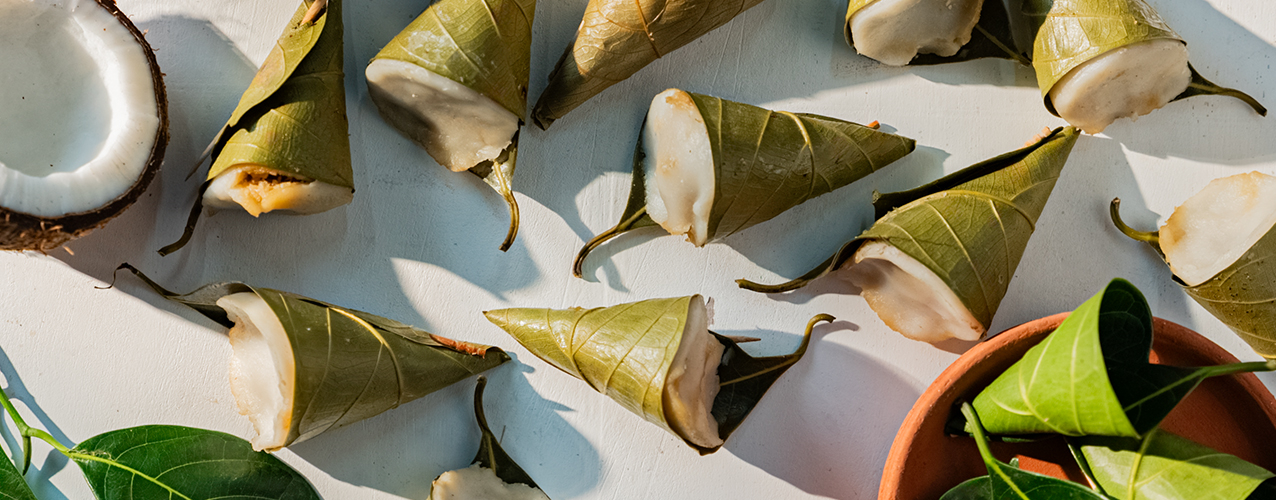
Holle, a well-loved Goan dessert, marries the ritualistic and agricultural essence of Goa, spotlighting rice and coconut as symbols of prosperity. Integral to San Joao festivities, this dessert is more than a treat; it celebrates the monsoon’s arrival, embodying the community’s jubilance. Crafted from a base of freshly ground rice flour and a fragrant filling of jaggery, coconut, split chickpeas, and cardamom, holle is steamed in jackfruit leaf cones, a testament to Goan ingenuity. This process, deeply rooted in tradition, involves communal early morning rice grinding and singing, linking generations.

Ingredients

  • 1 cup rice flour
  • 1 cup hot water (or as required)
  • 1/2 cup grated coconut
  • 1/2 cup grated jaggery
  • 1/4 tsp cardamom powder
  • A pinch of salt
  • Jackfruit leaves

Method

  • Combine the rice flour, salt and hot water in a bowl, and mix well to make a smooth dough.
  • In another bowl, add grated coconut, grated jaggery, and cardamom powder. Mix well to combine everything evenly.
  • The dough should be pliable and easy to work with, neither too dry nor too wet.
  • Take a jackfruit leaf, wipe it clean with a damp cloth, and make a cone. Secure the leaf tightly with a toothpick to form the cone. Prepare the remaining cones and keep them aside.
  • Apply rice paste to the cones from inside and fill the cones with the coconut stuffing. Seal the top of the cones with rice flour. Place the cones in a steamer.
  • In a microwave-safe glass bowl, add hot water and place the steamer on top of the bowl, leaving some space between the water and the steamer. Steam for 15-20 minutes at 100% micropower level.
  • Once cooked, remove the holle from the steamer and let them cool slightly.
  • Carefully un-wrap the steamed holle from the jackfruit leaves.
  • Serve the holle warm as a delightful snack or dessert.

Find out more about the history and tradition of the dish

In India, ragi has been found in archaeological excavations dating back to 1800 BC, and has been associated with honouring poets with a concoction of ragi, milk, and honey.

Read
Regional Table

Rate This Recipe

Overall Rating

Rating star icon 0 (0)

Select your rating

success-icon

Thanks for your rating!

error-icon

Something went wrong. Please try again!

You’re reviewing

Holle

Holle

Rate your experience!

Tell us more

Similar Recipes

Chicken Cafreal
Cooking time icon 25 mins
Rating star icon

0 (0)

Chicken Cafreal

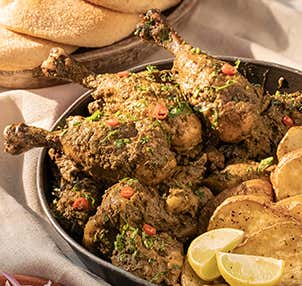
The spicy chicken cafreal was introduced into Goan cuisine by African soldiers from Mozambique who served under the Portuguese. Marinating succulent chicken in a special cafreal paste, with a fragrant blend of coriander, mint, green chillies, and a hint of lime, creates a bold flavour that promises a burst of herby freshness and a spicy kick. As you savour each flavourful morsel, let the aroma of the herbs and spices transport you to the vibrant markets, taverns, and coastal kitchens where this dish originated. Whether grilled or pan-fried to perfection, this dish will transform your dining experience into a festive affair. Traditionally, it is served with Goan poi, which was also introduced to the land by the Portuguese.
Goan Pez
Cooking time icon 30 mins
Rating star icon

0 (0)

Goan Pez

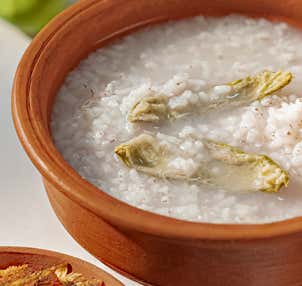
Pez, a Goan rice porridge, epitomises the essence of Goa’s agrarian roots. Crafted with the resilient Ukde Tandool rice suited for Goa’s saline soil, it’s traditionally slow-cooked in clay pots, embodying the earthiness of its origin. This dish’s simplicity, with rice grains offering a tender yet firm bite in a lightly starched broth, sets the stage for the vivid flavours of Goan accompaniments like crispy dried fish, tangy pickles, and spicy kalchi kodi (yesterday’s curry). More than a meal, Pez is a testament to Goa’s culture of simplicity and resilience, making every bowl a celebration of Goan identity and communal spirit.
Khatkhatem
Cooking time icon 45 mins
Rating star icon

0 (0)

Khatkhatem

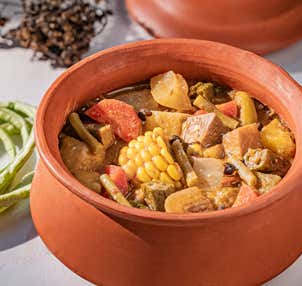
Khatkhatem is the jewel of Goa’s Saraswat Brahmin cuisine. This traditional vegetarian stew boasts 21 locally sourced vegetables, including pumpkin, drumsticks, and yam, meticulously chosen to create a visually stunning and nutritionally rich dish. It plays a pivotal role during religious occasions and festivals, especially Ganesh Chaturthi, and excludes onion, garlic and sour kokum to align with the saatvic dietary principles. Sweetened with jaggery and enriched with coconut, the stew gets its unique flavour from a blend of turmeric, chilli, and tamarind, while adding triphala lends an irreplaceable taste. Khatkhatem’s preparation is a cherished tradition celebrating vegetarian fare’s simplicity and wholesomeness.
Sukhi Kolbi
Cooking time icon 45 mins
Rating star icon

0 (0)

Sukhi Kolbi

Sukhi Kolbi, a beloved dry prawn dish, is a culinary icon within the Konkani Muslim community of India’s Western coast. Rich spices and slow-cooked perfection showcase the seafood-centric traditions of the region. Central to its preparation is the silbatta, a pentagonal grinding stone essential for authentically blending spices, symbolising the deep-rooted culinary heritage. Reflecting a fusion of Maharashtrian, African, and Arabic influences, the cuisine of the Konkani Muslims epitomises adaptability and innovation. Incorporating local ingredients like kokum and coconut, Sukhi Kolbi is a testament to the community’s enduring legacy and culinary ingenuity, blending local traditions with foreign nuances to preserve the flavours of ancestry for future generations.

Product You May Like to Buy